
Understanding the Risks of Receiving Oral Sex
Many people in the United States believe that receiving oral sex carries little to no health risk compared to other forms of sexual activity. This misconception often arises because oral sex is viewed as a "safer" alternative to vaginal or anal intercourse. However, scientific research has shown that sexually transmitted diseases (STDs) and infections can indeed be passed during oral sex. The risk may be lower in some cases, but it is not zero. Understanding these risks is essential for making informed choices and protecting your health.
Which Infections Can Be Transmitted Through Receiving Oral Sex?
1. Herpes Simplex Virus (HSV)
Herpes is one of the most common infections transmitted through oral sex. If a partner has an active cold sore caused by HSV-1, it can be spread to the genitals. Similarly, HSV-2, more commonly associated with genital herpes, can be transmitted orally. The infection leads to painful sores and outbreaks, and while there is no cure, antiviral treatments can help manage symptoms and reduce transmission risks.
2. Gonorrhea of the Genitals
Gonorrhea, caused by the bacterium Neisseria gonorrhoeae, can be spread when a partner with oral or throat gonorrhea performs oral sex. This can result in genital infections for the receiver. Symptoms may include painful urination and discharge, but some people do not show symptoms at all. The silent spread of gonorrhea makes it one of the more dangerous infections linked to oral sex. Untreated gonorrhea can cause severe reproductive complications.
3. Syphilis Transmission
Syphilis is another bacterial infection that can spread through oral sex. If a person with syphilitic sores in the mouth performs oral sex, the receiver can develop genital sores. Syphilis progresses in stages and can lead to severe complications affecting the brain and heart if not treated. Recent data from the Centers for Disease Control and Prevention (CDC) shows that syphilis cases are increasing across the United States, with oral sex contributing to the spread.
Can HIV Be Transmitted from Receiving Oral Sex?
1. Assessing the Risk
The risk of HIV transmission from receiving oral sex is significantly lower compared to vaginal or anal sex, but it is not nonexistent. Factors that increase the likelihood of infection include the presence of open sores, bleeding gums, or high viral load in the infected partner. Though rare, documented cases of HIV transmission through oral sex exist. This makes prevention strategies vital, even when risks appear small.
2. Role of Oral Health in Transmission
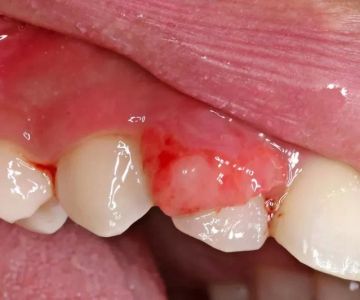
The condition of the mouth directly impacts transmission risk. For example, if a partner has gum disease, ulcers, or cuts, viruses and bacteria can easily enter the bloodstream during oral sex. Maintaining strong oral hygiene, including regular dental care through trusted providers like Family Dentistry Online, can play a significant role in lowering infection risks. Oral health and sexual health are more connected than many people realize.
Other Infections Linked to Oral Sex
1. Human Papillomavirus (HPV)
HPV can be transmitted through oral sex and is linked to genital warts and, in some cases, cancers of the throat, anus, and cervix. The CDC estimates that nearly every sexually active adult will contract HPV at some point, making vaccination and safe practices critical. For those receiving oral sex, the virus can spread even if the partner has no visible warts or symptoms.
2. Hepatitis B
Hepatitis B, a virus that affects the liver, can be spread through oral sex, especially if there are cuts or open sores present. Vaccination against hepatitis B is an effective way to protect yourself, and many Americans are encouraged to get vaccinated as part of routine healthcare.
Real-Life Stories That Highlight the Risks
1. Misdiagnosed Infection
A 32-year-old man in California experienced painful urination after engaging in what he thought was a "risk-free" encounter involving only oral sex. Initially misdiagnosed with a urinary tract infection, further testing revealed gonorrhea. His case underscores the reality that STDs can result from oral sex and that assumptions about safety can lead to delayed treatment.
2. The Rise of Oral Cancer Linked to HPV
Medical experts have reported an increase in throat cancers in men linked to HPV acquired through oral sex. One high-profile case involved a well-known American actor who revealed his throat cancer was caused by HPV. This example brought public attention to the risks associated with oral sex, especially for those who underestimate its health consequences.
How to Protect Yourself When Receiving Oral Sex
1. Use of Protection
Condoms and dental dams serve as effective barriers to reduce the spread of infections during oral sex. Though they may feel less common in this context, they remain an essential tool for safer intimacy. Their use significantly reduces the chances of transmitting bacteria and viruses.
2. Regular Testing and Communication
Routine STD screenings are crucial for sexually active individuals. Open conversations with partners about sexual health, testing history, and protection use further enhance safety. The stigma around these discussions often prevents people from being fully informed, but honesty is one of the strongest protective measures available.
Key Takeaways for Health and Safety
Receiving oral sex can indeed transmit diseases, ranging from herpes and gonorrhea to syphilis, HPV, hepatitis B, and even HIV in rare cases. The risks vary depending on the infection, but none are zero. By maintaining good oral health, practicing safe sex with protection, getting regular screenings, and staying educated, individuals can significantly reduce their risks. Safe intimacy is about awareness and responsibility, ensuring that pleasure does not come at the cost of long-term health consequences.

 Arlington Family & Cosmetic Dental Associates4.0 (121 review)
 California Bright Dental Group4.0 (54 review)
 Shine Orthodontics and Pediatric Dentistry4.0 (858 review)
 Mele Family Dentistry4.0 (21 review)
 Virginia Family Dentistry Brandermill - Woodlake4.0 (724 review)
 Dental Practice of San Bernardino4.0 (50 review)
 The Importance of Oral Health Education During Pregnancy for a Healthy Pregnancy
 Best Tips for Brushing Your Teeth Properly for Healthy Gums: Essential Techniques for Oral Health
 Why Skipping Dental Checkups Can Lead to Bigger Oral Health Problems
 Advantages of Porcelain Dental Restorations
 How Can Diabetes Cause Tooth and Gum Problems? Preventing and Managing Oral Health Issues
 Healthy Habits for Promoting Good Oral Health and Hygiene: Tips for a Healthy Smile