
1. Understanding the Risks of Oral Sex and Disease Transmission
Many people mistakenly believe that oral sex is a “safe” alternative to vaginal or anal intercourse, but the truth is more complicated. Oral sex does carry risk—especially when it comes to the transmission of sexually transmitted diseases (STDs). While the level of risk may differ based on the act and protection used, unprotected oral sex can lead to infections in the mouth, throat, genitals, or even bloodstream.
Health organizations across the U.S., including the CDC, have documented rising cases of oral-related STD transmission. From college campuses to retirement communities, this isn’t a topic limited to one demographic. And with increasing openness about sexual health, understanding how diseases spread via oral sex is more important than ever.
2. Which Infections Can Be Transmitted Through Oral Sex?
2.1 Herpes Simplex Virus (HSV-1 and HSV-2)
Oral herpes (HSV-1) and genital herpes (HSV-2) can be transmitted bidirectionally. Kissing, oral sex, or even sharing objects like lip balm during an active outbreak can spread the virus. Some people don’t show symptoms but can still transmit it—a concept known as asymptomatic shedding.
2.2 Human Papillomavirus (HPV)
HPV is one of the most common sexually transmitted infections in the U.S., and it’s linked to several types of cancer, including oropharyngeal (throat) cancer. Oral sex is a known mode of transmission, and many cases develop without any visible symptoms. Vaccines can help prevent certain high-risk strains.
2.3 Gonorrhea and Chlamydia
These bacterial infections can live in the throat and be spread through oral-genital contact. In some cases, oral gonorrhea may go undetected because it presents no symptoms. However, it can still be passed on and may become resistant to treatment if left untreated.
2.4 Syphilis and HIV
While less common through oral sex compared to other sexual activities, syphilis and HIV can still be transmitted. If there are cuts, sores, or bleeding gums involved, the risk significantly increases. The presence of another STD can also increase susceptibility to HIV.
3. Real-Life Cases That Changed Perception
3.1 A College Freshman’s Wake-Up Call
In North Carolina, a 19-year-old freshman developed a sore throat that wouldn’t go away. Thinking it was strep, she went to urgent care, where she tested positive for oral gonorrhea. She had no idea it was even possible. “We used protection during sex,” she said, “but never even thought about it for oral. That changed everything for me.”
3.2 A Couple’s Surprising Diagnosis
A married couple from Oregon shared their story at a sexual health conference. They were monogamous and assumed low risk, but one partner had carried HPV from a previous relationship. Years later, the other was diagnosed with HPV-related throat cancer. “We weren’t reckless,” they explained. “We just didn’t know what we didn’t know.”
4. How Oral Hygiene Affects Infection Risk
4.1 Open Wounds and Gum Disease
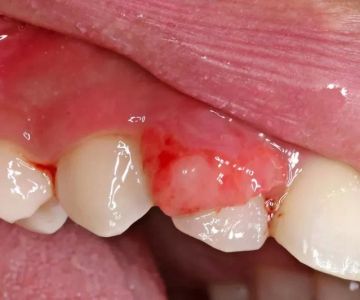
Poor oral health—such as gum disease or recent dental work—can increase vulnerability. Open sores or bleeding gums provide easier entry points for viruses and bacteria. Maintaining healthy gums and teeth isn’t just about smiles—it’s also about safer sex.
4.2 Mouthwash and Bacterial Load
While mouthwash doesn’t prevent transmission, it may reduce bacterial presence temporarily. Some studies suggest that rinsing before and after oral sex may slightly reduce the chance of infection—but it should never replace proper protection.
5. Protective Measures That Actually Work
5.1 Barriers and Safe Practices
Using condoms, dental dams, or flavored latex sheets can significantly reduce the risk of transmission during oral sex. These tools create a barrier without diminishing intimacy. They’re available over the counter and even in flavored varieties specifically designed for oral use.
5.2 Regular Testing and Communication
STDs don’t always come with symptoms, which makes routine testing vital. Open communication with partners about testing history, symptoms, and boundaries fosters trust and safety. In the U.S., many health departments and clinics offer confidential testing at low or no cost.
5.3 Prevention Through Education and Vaccination
HPV vaccination is recommended for individuals as young as 11 and up to 45. Learning about risks, symptoms, and how infections spread gives people the tools they need to make informed choices. Dental professionals also play a growing role in spotting signs of oral STDs during routine checkups.
6. Where to Get Help and Trusted Advice
If you're concerned about exposure, symptoms, or general oral health, reach out to a trusted professional. Family Dentistry Online offers comprehensive resources for managing oral hygiene and understanding how it intersects with sexual health. From scheduling cleanings to discussing gum sensitivity, your dental provider can be a frontline advocate for your total well-being.

 Spartan Dental4.0 (222 review)
 Michael Brody DDS4.0 (8 review)
 Veterinary Dental Center: S Juriga, DVM, DAVDC; L Sasser, DVM, DAVDC; K Kling, DVM, DAVDC; G Rutkauskas, DVM; MJ Hassan DVM5.0 (356 review)
 Surprise Endodontics4.0 (170 review)
 Scottsdale Center for Implant Dentistry4.0 (27 review)
 Hilliard Dental Associates5.0 (147 review)
 The Importance of Oral Health Education During Pregnancy for a Healthy Pregnancy
 Best Tips for Brushing Your Teeth Properly for Healthy Gums: Essential Techniques for Oral Health
 Why Skipping Dental Checkups Can Lead to Bigger Oral Health Problems
 Advantages of Porcelain Dental Restorations
 How Can Diabetes Cause Tooth and Gum Problems? Preventing and Managing Oral Health Issues
 Healthy Habits for Promoting Good Oral Health and Hygiene: Tips for a Healthy Smile