
Can You Catch Any Diseases from Oral Contact?
When it comes to maintaining good health, we often focus on the basics: eating well, exercising, and getting enough sleep. But one area that might not get as much attention is oral health. Did you know that certain diseases and infections can be transmitted through oral contact? Whether it's kissing, sharing a drink, or any form of close contact, the risks may not always be obvious. In this article, we'll explore the potential dangers of catching diseases from oral contact, the conditions that can be transmitted, and how to protect yourself.
1. Diseases and Infections That Can Be Transmitted Through Oral Contact
It might be surprising to learn that several diseases can spread via saliva or close mouth-to-mouth contact. Let's dive into the most common infections and conditions that can be passed on through oral contact:
- Cold Sores (Herpes Simplex Virus): Cold sores, caused by the herpes simplex virus (HSV), are one of the most common oral infections. They are contagious and can be transmitted through kissing or other forms of close oral contact. The virus spreads when the infected person's saliva comes into contact with broken skin or mucous membranes.
- Mononucleosis (Mono): Known as the "kissing disease," mono is caused by the Epstein-Barr virus (EBV) and can spread through saliva. Kissing, sharing drinks, or any oral contact can transmit the virus. Symptoms include fever, swollen glands, and a sore throat.
- Cavities (Dental Caries): While not typically classified as a disease transmitted directly through saliva, cavities can be a result of bacteria like Streptococcus mutans, which is found in plaque. These bacteria can be passed from one person to another through oral contact, potentially increasing the risk of dental decay.
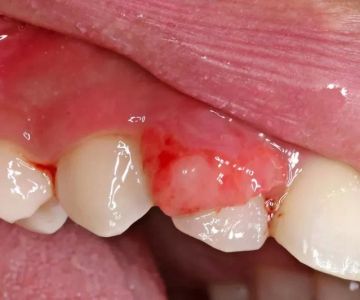
- Gingivitis and Periodontal Disease: Gingivitis, an early stage of gum disease, can be caused by bacteria from plaque buildup. Periodontal diseases, like periodontitis, are more severe and can be spread through kissing, particularly if the infected person has active gum disease and bleeding gums.
- Human Papillomavirus (HPV): Certain strains of HPV, which can cause oral cancers, can be transmitted through oral sex. It's essential to be aware of this risk, as HPV is one of the leading causes of oropharyngeal cancer.
- Strep Throat: Strep throat, caused by group A Streptococcus bacteria, is highly contagious and can spread through saliva. Close contact, such as kissing, is a common method of transmission, though sharing utensils or drinks can also spread the bacteria.
While some of these infections may not seem serious, they can still pose significant health risks, especially when left untreated. The good news is that many of these conditions can be prevented or managed with good hygiene practices.
2. How to Prevent the Spread of Diseases Through Oral Contact
The risk of catching a disease through oral contact can be significantly reduced with the right preventive measures. Here are some effective ways to protect yourself:
- Good Oral Hygiene: Maintaining a strong oral hygiene routine is one of the most effective ways to prevent the spread of oral diseases. Brush your teeth twice a day with fluoride toothpaste, floss daily, and use mouthwash to eliminate bacteria that cause infections.
- Avoid Kissing or Sharing Drinks with Infected Individuals: If someone has visible cold sores or is showing symptoms of a contagious illness like mono or strep throat, it's best to avoid kissing or sharing food, drinks, or utensils with them until they are no longer contagious.
- Get Vaccinated: Vaccines for some oral diseases are available, such as the HPV vaccine, which can help prevent HPV-related oral cancers. Consult your doctor to see if any vaccinations are right for you.
- Regular Dental Check-ups: Visit your dentist regularly for professional cleanings and check-ups to identify any early signs of infection or gum disease that may be transmitted through saliva. Early treatment is key to preventing the spread of these conditions.
- Practice Safe Oral Sex: Using protection during oral sex can help reduce the risk of transmitting HPV or other sexually transmitted infections (STIs) through oral contact.
3. Understanding the Importance of Saliva in Oral Health
Saliva plays a crucial role in maintaining oral health by helping to neutralize acids, wash away food particles, and protect the teeth and gums from harmful bacteria. However, saliva can also carry harmful bacteria that can lead to infections, tooth decay, and gum disease. That's why it's so important to practice good oral hygiene and take steps to prevent the spread of bacteria through saliva.
Even if you brush and floss regularly, bacteria in the mouth can still multiply and cause issues like bad breath or even infections if not managed properly. For example, bacteria from cavities can be passed on through saliva, increasing the chances of new cavities forming in another person's mouth.
4. The Role of Lifestyle Choices in Oral Health
Your lifestyle choices can also impact your risk of catching or spreading diseases through oral contact. Smoking, excessive alcohol consumption, and poor diet can all contribute to weakened oral health, making it easier for infections to spread. Additionally, individuals with compromised immune systems, such as those with diabetes or autoimmune diseases, may be more susceptible to oral infections and diseases.
To maintain optimal oral health and reduce the risks associated with oral diseases, make sure to:
- Quit smoking: Smoking damages the gums and weakens the immune system, increasing the risk of oral infections and diseases.
- Limit alcohol consumption: Excessive drinking can dry out the mouth and reduce saliva production, making it easier for bacteria to thrive.
- Eat a balanced diet: A diet rich in vitamins, minerals, and fiber supports oral health and helps keep your immune system strong.
5. When to Seek Medical Attention
If you suspect that you have caught a disease through oral contact, it’s important to seek medical attention as soon as possible. Symptoms like persistent bad breath, a sore throat, mouth sores, or swollen gums may indicate an infection that requires treatment. Your dentist or healthcare provider can help diagnose the cause of your symptoms and recommend the appropriate treatment.
Conclusion: Protecting Your Oral Health and Preventing Disease
While it’s possible to catch certain diseases through oral contact, practicing good oral hygiene and taking preventive measures can significantly reduce your risk. Maintaining a clean mouth, avoiding contact with infected individuals, and making healthy lifestyle choices will go a long way in protecting both your oral health and overall well-being. If you're ever in doubt, don’t hesitate to visit a dentist or healthcare provider to get expert advice on how to stay healthy and disease-free.

 Eagles Landing Dental Care4.0 (194 review)
 Assia Fain, DMD5.0 (55 review)
 Downtown Dental and Implants of Oswego, Inc.5.0 (229 review)
 Sutter Dental5.0 (189 review)
 Fair Lawn Periodontics & Dental Implants4.0 (191 review)
 Magnolia Dentistry4.0 (275 review)
 The Importance of Oral Health Education During Pregnancy for a Healthy Pregnancy
 Best Tips for Brushing Your Teeth Properly for Healthy Gums: Essential Techniques for Oral Health
 Why Skipping Dental Checkups Can Lead to Bigger Oral Health Problems
 Advantages of Porcelain Dental Restorations
 How Can Diabetes Cause Tooth and Gum Problems? Preventing and Managing Oral Health Issues
 Healthy Habits for Promoting Good Oral Health and Hygiene: Tips for a Healthy Smile