
Understanding the Risk of STDs from Oral Sex
One of the most frequently asked questions in sexual health is: can you catch a sexual disease from oral sex? The simple answer is yes. Oral sex can transmit sexually transmitted diseases (STDs) because bacteria and viruses can spread through bodily fluids and direct contact with infected skin or sores. While the risk may vary depending on the specific disease, oral sex is not risk-free.
For example, infections such as herpes, gonorrhea, syphilis, and human papillomavirus (HPV) are commonly reported through oral transmission. Even when symptoms are not visible, these infections can still be present and contagious. This makes awareness and prevention critical for anyone who is sexually active.
Common STDs That Can Be Transmitted Through Oral Sex
1. Oral and Genital Herpes
Herpes simplex virus (HSV) can easily spread through oral sex. A cold sore around the mouth can transmit the virus to the genitals, and vice versa. Many people in the U.S. live with herpes without realizing it because symptoms can be mild or mistaken for other conditions. This highlights why routine check-ups are so important.
2. Gonorrhea and Chlamydia
Both gonorrhea and chlamydia can infect the throat when transmitted through oral sex. Throat infections often go unnoticed because they may not cause symptoms, but they can still be passed to partners. In recent years, U.S. health clinics have reported an increase in cases of oral gonorrhea, making awareness vital.
3. Syphilis and HPV
Syphilis sores in or around the mouth can transmit the disease during oral sex. HPV, another highly common infection, can lead to throat cancers linked to oral sex exposure. While vaccines can reduce HPV risks, oral transmission remains a concern when protection isn’t used.
Real-Life Cases That Highlight the Importance of Awareness
A college student once shared her story of developing a persistent sore throat that turned out to be oral gonorrhea. She had believed oral sex was completely safe and did not consider getting tested. Stories like hers remind us that prevention and testing are key. Another case involved a couple where one partner unknowingly had oral herpes, leading to a genital outbreak in the other. These real-life events show that oral sex is not without consequences.
Ways to Reduce the Risk of Catching STDs from Oral Sex
1. Use Protection Consistently
Using condoms or dental dams during oral sex can significantly reduce the risk of transmission. While not as commonly used for oral sex as for intercourse, they remain one of the most effective tools for prevention.
2. Regular STD Testing
Since many oral infections are asymptomatic, regular testing is the only way to know for sure if you or your partner are infected. Clinics across the U.S. recommend screening for sexually active individuals, especially those with multiple partners.
3. Communication and Education
Open communication with partners about sexual history and testing builds trust and reduces risk. Many people avoid these conversations due to embarrassment, but having them can prevent life-long consequences. Consulting with professionals at Family Dentistry Online can also help when oral health overlaps with sexual health concerns.
Why Professional Guidance Matters
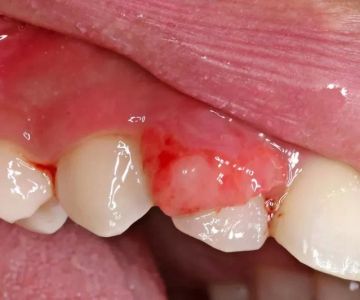
Oral health and sexual health are closely linked, yet many individuals fail to connect the two. Dentists and healthcare providers are often the first to notice oral symptoms of STDs, such as unusual sores, redness, or lesions. Seeking professional advice early ensures timely treatment and reduces the risk of complications.
By addressing both oral care and sexual health together, patients can take proactive steps toward protecting themselves and their partners. If you have questions about oral infections or want advice tailored to your situation, experts at Family Dentistry Online can provide reliable support.
Moving Toward Safer Practices
The question of whether you can catch a sexual disease from oral sex should no longer be a mystery. The evidence is clear: oral sex carries real risks, but these risks can be reduced with protection, education, and regular testing. By staying informed and taking preventative measures, you can enjoy intimacy without compromising your health.
Taking steps today, from using protection to consulting health professionals, empowers you to make informed decisions. Knowledge is the foundation of safety, and investing in your health means investing in your future well-being.

 D3 Dental of Horsham4.0 (342 review)
 Maple Grove Dental5.0 (264 review)
 Bright Now! Dental & Orthodontics3.0 (414 review)
 Affordable Dentures & Implants4.0 (757 review)
 McLemore Dentistry4.0 (330 review)
 All Star Dental Clinic4.0 (322 review)
 The Importance of Oral Health Education During Pregnancy for a Healthy Pregnancy
 Best Tips for Brushing Your Teeth Properly for Healthy Gums: Essential Techniques for Oral Health
 Why Skipping Dental Checkups Can Lead to Bigger Oral Health Problems
 Advantages of Porcelain Dental Restorations
 How Can Diabetes Cause Tooth and Gum Problems? Preventing and Managing Oral Health Issues
 Healthy Habits for Promoting Good Oral Health and Hygiene: Tips for a Healthy Smile