
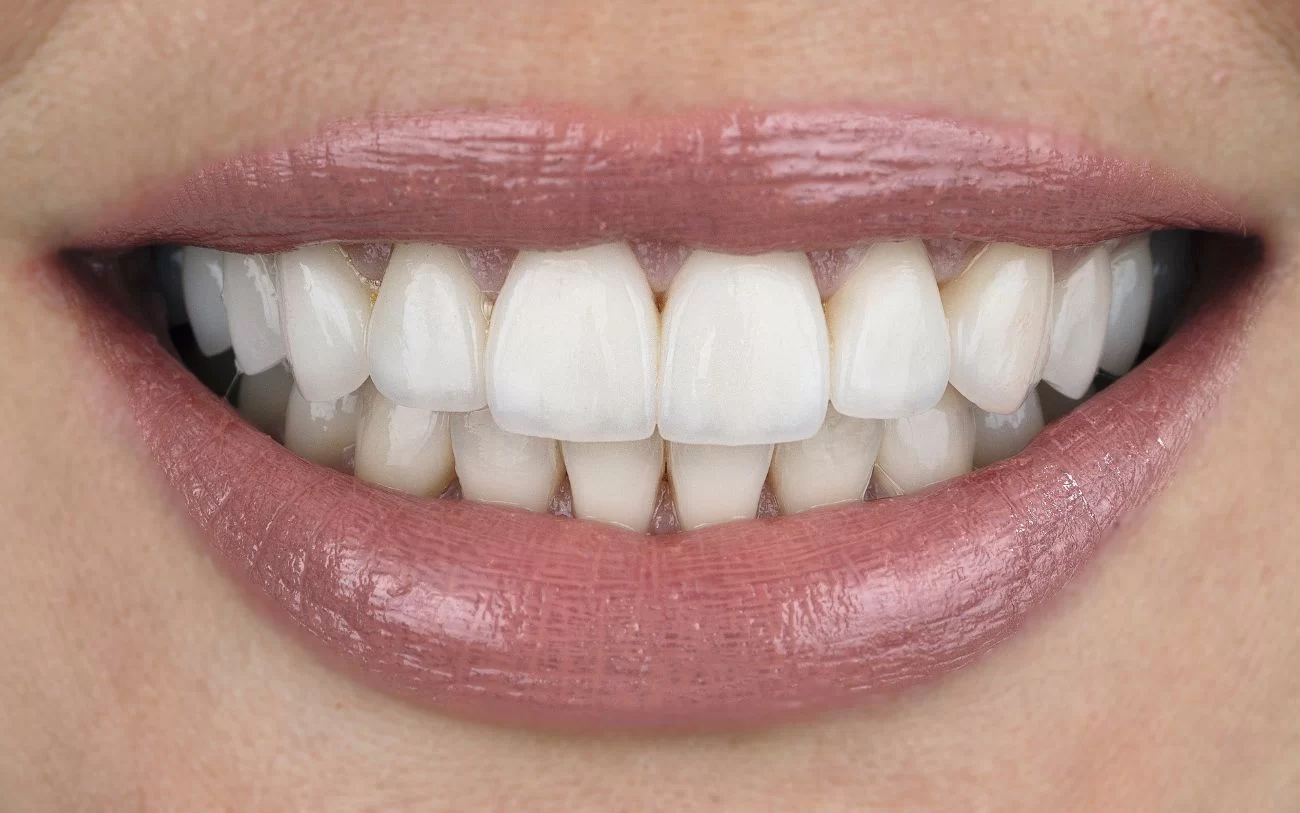
Can Veneers Be Used to Fix Crooked Teeth? A Comprehensive Guide
- Understanding Dental Veneers
- How Veneers Correct Crooked Teeth
- Advantages of Veneers for Crooked Teeth
- Considerations Before Getting Veneers
1. Understanding Dental Veneers
Dental veneers are thin shells of porcelain or composite resin that are placed over the front surface of teeth to improve their appearance. Veneers are custom-made to match the natural shape and color of your teeth, providing a flawless, uniform smile. While they are most commonly used to enhance the aesthetic appearance of teeth, they can also help address functional issues like minor misalignment or uneven spacing.
Veneers are often a popular choice for people who have crooked teeth but do not want to undergo traditional orthodontic treatments like braces. They can provide a quick, effective solution for achieving a straighter smile without the need for long-term commitment. But how exactly do they work to correct crooked teeth? Let’s dive into that next.
2. How Veneers Correct Crooked Teeth
While veneers cannot physically move teeth like braces, they can be used to mask imperfections such as minor crookedness, gaps, and misalignments. The process involves a dentist taking impressions of your teeth and customizing the veneers to fit your natural tooth shape, ensuring a perfect fit over the existing teeth.
For minor crookedness, veneers can be sculpted in a way that creates the illusion of straighter teeth. The veneer’s shape is designed to compensate for the crookedness, giving the teeth a more aligned and uniform appearance. This solution is particularly effective for those who have slightly misaligned teeth and wish to avoid the time and expense of braces.
However, veneers are not suitable for severe misalignment or crooked teeth that require structural changes. In these cases, orthodontic treatment such as braces may still be necessary. Veneers work best for individuals with minor imperfections looking for an aesthetic improvement rather than a functional solution.
3. Advantages of Veneers for Crooked Teeth
Veneers offer a variety of benefits for those looking to improve the appearance of their teeth. Some of the key advantages include:
- Quick results: Veneers can transform the appearance of your smile in as little as two visits, making them a faster option compared to traditional braces.
- Minimal discomfort: The veneer placement procedure is relatively painless compared to the discomfort that can sometimes accompany orthodontic treatments.
- Durable and long-lasting: Veneers are highly durable and can last for 10-15 years with proper care, making them a long-term investment for your smile.
- Natural appearance: Veneers are custom-designed to match the color and shape of your natural teeth, offering a seamless, natural-looking result.
These advantages make veneers an appealing choice for many individuals who want a quick and effective way to fix crooked teeth and enhance their smile.
4. Considerations Before Getting Veneers
Before committing to veneers, it’s important to consider a few factors:
- Not for severe cases: As mentioned, veneers are ideal for minor crookedness but not for severe misalignment. If your teeth are significantly crooked, braces or clear aligners might be a better option.
- Irreversibility: The process of placing veneers involves removing a small amount of tooth enamel, which makes it irreversible. Be sure you're ready for the permanent change.
- Cost: Veneers can be costly, and the price may vary depending on the material, your location, and the complexity of the procedure. Ensure that you're comfortable with the investment required.
- Maintenance: While veneers are durable, they still require proper care. Regular brushing, flossing, and routine dental visits are essential to maintaining their appearance and longevity.
It’s essential to have a thorough discussion with your dentist to understand whether veneers are the right solution for you and what the procedure involves.
If you're interested in learning more about how veneers can improve the appearance of your smile or if you’re ready to explore your options, visit Dentistry Toothtruth for expert advice and consultation.






 Metro Smiles Gage Park2.0 (36 review)
 Dr. Kwon Pediatric Dentistry Sedation Center4.0 (133 review)
 Rich Orthodontics -Willow Grove3.0 (39 review)
 Southside Community Health Services4.0 (186 review)
 Gentle Dental Avondale4.0 (208 review)
 Central Carolina Oral & Maxillofacial Surgery5.0 (51 review)
 The Importance of Oral Health Education During Pregnancy for a Healthy Pregnancy
 Best Tips for Brushing Your Teeth Properly for Healthy Gums: Essential Techniques for Oral Health
 Why Skipping Dental Checkups Can Lead to Bigger Oral Health Problems
 Advantages of Porcelain Dental Restorations
 How Can Diabetes Cause Tooth and Gum Problems? Preventing and Managing Oral Health Issues
 Healthy Habits for Promoting Good Oral Health and Hygiene: Tips for a Healthy Smile