
Understanding White Tongue and Its Connection to Oral Hygiene
White tongue is a common oral condition characterized by a white coating or patches on the surface of the tongue. Many people in the United States experience this symptom, which can sometimes cause concern. But can poor oral hygiene cause white tongue? The answer is yes—oral hygiene plays a crucial role in the development and prevention of white tongue.
White tongue occurs when dead cells, bacteria, and debris accumulate on the tiny bumps (papillae) covering the tongue. When oral hygiene is neglected, this buildup thickens, causing the tongue to appear white and sometimes feel uncomfortable or develop a bad taste.
1. How Poor Oral Hygiene Contributes to White Tongue
Poor oral hygiene creates an environment where bacteria and fungi flourish. If regular brushing and tongue cleaning are skipped, these microorganisms accumulate, mixing with dead cells and food debris on the tongue’s surface. This buildup can cause irritation and white discoloration. Furthermore, smoking, dehydration, and a dry mouth can worsen the condition by reducing saliva flow, which normally helps cleanse the mouth.
2. Other Causes of White Tongue to Consider
While poor oral hygiene is a leading cause, other factors can also cause or contribute to white tongue:
- Oral Thrush: A fungal infection caused by Candida overgrowth, leading to a thick white coating. This is common in people with weakened immune systems, diabetics, or those using inhaled steroids.
- Leukoplakia: A condition causing white patches that cannot be scraped off. Often linked to tobacco use, it requires medical evaluation as it can be precancerous.
- Geographic Tongue: A benign condition causing patchy white areas with red borders, usually changing over time.
- Dehydration and Dry Mouth: Insufficient saliva can cause dryness and a white-coated tongue.
- Medications and Medical Conditions: Some antibiotics, mouth rinses, and illnesses can disrupt normal oral flora, leading to white tongue.
3. Recognizing Symptoms Alongside White Tongue
Besides the white coating, other symptoms might include:
- Bad breath (halitosis)
- Dry or sore mouth
- Altered taste or metallic taste sensation
- Mild pain or burning sensation
- Difficulty swallowing (in severe cases)
If these symptoms persist for more than two weeks or worsen, it’s important to seek professional evaluation.
Effective Strategies for Treating and Preventing White Tongue
1. Improving Oral Hygiene Practices
Maintaining excellent oral hygiene is the first and most important step to prevent and treat white tongue caused by poor hygiene. This includes:
- Brushing teeth at least twice daily with fluoride toothpaste
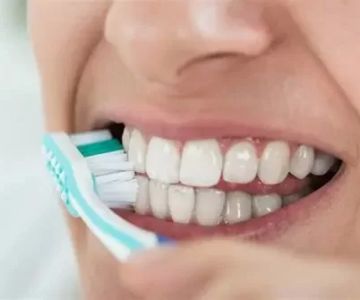
- Cleaning the tongue gently using a tongue scraper or a soft toothbrush
- Flossing daily to remove food particles and plaque
- Using an antiseptic mouthwash to reduce bacterial load
- Drinking plenty of water to stay hydrated and maintain saliva flow
2. Lifestyle Modifications
Avoiding tobacco products and reducing alcohol consumption can significantly improve oral health and reduce white tongue risk. Quitting smoking not only helps the tongue but also lowers the risk of more serious oral conditions.
3. When to See a Dentist or Healthcare Provider
If white tongue persists despite good oral care, it’s essential to consult a dentist or healthcare professional. They can diagnose underlying causes such as fungal infections or leukoplakia and recommend appropriate treatments, which may include:
- Antifungal medications for oral thrush
- Prescription mouth rinses
- Further medical investigations for systemic conditions
A Real-Life Story: How John Overcame Chronic White Tongue
John, a 35-year-old from Chicago, struggled for months with a persistent white coating on his tongue accompanied by bad breath and discomfort. Initially unaware of the cause, he tried over-the-counter mouthwashes without success. After visiting his dentist, he learned that poor oral hygiene habits and smoking had contributed significantly to his condition. By adopting thorough oral care routines, quitting smoking, and following his dentist’s advice, John’s white tongue resolved completely within weeks. His story highlights the importance of awareness and professional guidance in managing oral health problems.
Maintaining a Healthy Mouth with Help from Dentistry Toothtruth
Regular dental check-ups and professional cleanings are key to preventing oral health issues including white tongue. For residents in the U.S. seeking expert advice or treatment, Dentistry Toothtruth offers comprehensive services tailored to your needs. From oral hygiene education to specialized care for tongue-related conditions, their experienced team supports you on the path to a healthier mouth and a confident smile.




 JW Dentistry (formerly Dr. Wayne Wong, DDS)5.0 (62 review)
 Charm Dental Group3.0 (14 review)
 OC Centers for Oral Surgery & Dental Implants - San Clemente5.0 (199 review)
 Bergen-Rockland Dental Associates, LLC4.0 (59 review)
 Dr. David Miller DDS5.0 (1 review)
 Chestnut Hill Smiles4.0 (330 review)
 The Importance of Oral Health Education During Pregnancy for a Healthy Pregnancy
 Best Tips for Brushing Your Teeth Properly for Healthy Gums: Essential Techniques for Oral Health
 Why Skipping Dental Checkups Can Lead to Bigger Oral Health Problems
 Advantages of Porcelain Dental Restorations
 How Can Diabetes Cause Tooth and Gum Problems? Preventing and Managing Oral Health Issues
 Healthy Habits for Promoting Good Oral Health and Hygiene: Tips for a Healthy Smile