
How Liver Disease Influences Oral Health and Thrush Development
Liver disease can significantly affect various body systems, including oral health. One common oral infection that may arise in people with liver complications is oral thrush, also known as oral candidiasis. This condition is caused by an overgrowth of the fungus Candida albicans, which normally lives harmlessly in the mouth but can become problematic when the immune system is compromised.
In patients with liver disease, the immune system is often weakened due to impaired liver function and associated metabolic disturbances. The liver plays a crucial role in detoxifying the blood, producing proteins essential for immunity, and regulating inflammatory responses. When the liver is damaged—whether from hepatitis, cirrhosis, or fatty liver disease—its ability to support these functions declines, creating a favorable environment for fungal infections like oral thrush.
Mechanisms Linking Liver Disease to Oral Thrush
1. Immune Suppression from Liver Dysfunction
Liver disease can cause a state of immunodeficiency by reducing the production of key immune proteins such as complement factors and immunoglobulins. This suppression lowers the body's defense against opportunistic pathogens, including Candida, allowing the fungus to proliferate unchecked.
2. Nutritional Deficiencies
Many individuals with liver disease suffer from malnutrition or vitamin deficiencies, such as low levels of iron, vitamin B12, and folic acid, which are essential for maintaining healthy mucous membranes. These deficiencies weaken the oral mucosa’s ability to resist infection.
3. Use of Medications
Patients with liver conditions often take medications like corticosteroids or antibiotics, which can disrupt the normal microbial balance in the mouth and promote fungal overgrowth.
Recognizing Oral Thrush in People with Liver Disease
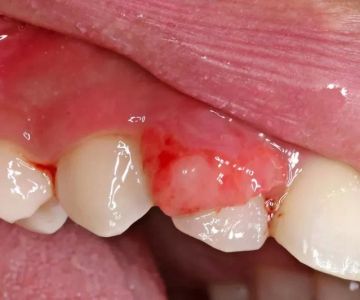
Oral thrush manifests as creamy white lesions on the tongue, inner cheeks, gums, or roof of the mouth. These patches can be painful and may bleed if scraped. Other symptoms include redness, soreness, difficulty swallowing, and a cottony feeling in the mouth.
For someone with liver disease, these symptoms require prompt attention, as untreated thrush can worsen and lead to systemic infections, especially if the immune system is severely compromised.
Managing Oral Thrush in the Context of Liver Disease
1. Antifungal Treatment
Topical antifungals like nystatin or clotrimazole are often prescribed to control oral thrush. In severe cases, systemic antifungal medications may be necessary. It’s important to follow medical advice closely, as liver impairment may affect how these drugs are metabolized.
2. Addressing Underlying Liver Health
Improving liver function through lifestyle changes, medical treatment, and nutritional support helps restore immune defenses and reduce the risk of recurrent thrush.
3. Oral Hygiene Practices
Maintaining excellent oral hygiene by regular brushing, flossing, and gentle cleaning of the tongue can help control fungal growth. Avoiding irritants such as smoking and alcohol is also beneficial.
A Real-Life Account: Managing Oral Thrush with Liver Disease
Michael, a 55-year-old man diagnosed with cirrhosis, experienced persistent white patches in his mouth that were painful and made eating difficult. After visiting his healthcare provider, he was diagnosed with oral thrush linked to his liver condition. Through coordinated care involving antifungal therapy, nutritional adjustments, and ongoing liver management, Michael’s oral health improved significantly, demonstrating the importance of addressing both oral and systemic health simultaneously.
When to Seek Professional Help
If you or a loved one with liver disease notices symptoms of oral thrush, it’s crucial to consult healthcare professionals promptly. Early intervention can prevent complications and improve quality of life.
For expert guidance and tailored oral care recommendations, visiting a trusted source like Dentistry Toothtruth can provide valuable support for managing oral health in complex medical conditions.

 Grand Avenue Family Dental4.0 (312 review)
 Absolute Dental - Maryland Pkwy4.0 (580 review)
 Marks Family Dentistry4.0 (225 review)
 Falmouth Dental Health5.0 (353 review)
 Holistic Dental Wellness Center - Iman Abdeshahian, DMD4.0 (166 review)
 Coventry Family Dental4.0 (247 review)
 The Importance of Oral Health Education During Pregnancy for a Healthy Pregnancy
 Best Tips for Brushing Your Teeth Properly for Healthy Gums: Essential Techniques for Oral Health
 Why Skipping Dental Checkups Can Lead to Bigger Oral Health Problems
 Advantages of Porcelain Dental Restorations
 How Can Diabetes Cause Tooth and Gum Problems? Preventing and Managing Oral Health Issues
 Healthy Habits for Promoting Good Oral Health and Hygiene: Tips for a Healthy Smile