
Can I Get a Disease From Oral Hygiene Issues? Understanding the Risks and How to Prevent Them
Oral hygiene is often something many people take for granted. We brush, floss, and rinse, but how many of us truly understand the significance of good oral hygiene and the consequences of neglecting it? The reality is that poor oral hygiene can lead to serious health issues far beyond just bad breath or a cavity. In fact, bad oral hygiene can increase your risk of developing various diseases. But can you get a disease from oral hygiene issues? The short answer is yes. In this article, we'll dive deep into the risks associated with poor oral hygiene, how it can affect your overall health, and most importantly, how you can prevent it.
1. How Poor Oral Hygiene Can Lead to Diseases
Our mouths are home to millions of bacteria, and while many of these bacteria are harmless, some can cause infections and diseases if not properly managed. Poor oral hygiene can lead to the accumulation of harmful bacteria, plaque, and tartar on the teeth and gums, which may result in gum disease, tooth decay, and other serious health issues.
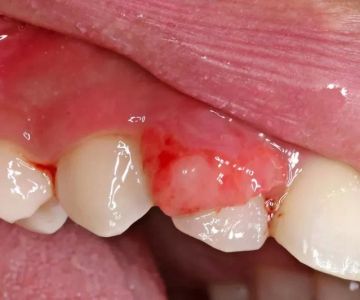
When plaque and tartar build up, they can irritate the gums, leading to inflammation and an infection known as gingivitis. If gingivitis is left untreated, it can progress into periodontitis, a more severe form of gum disease that can cause tooth loss and other systemic health problems. However, the risks don't stop there – poor oral hygiene can affect other areas of the body as well. Let’s explore how.
2. Systemic Diseases Linked to Poor Oral Hygiene
Neglecting your oral health doesn’t just affect your teeth and gums; it can also contribute to a variety of systemic diseases, including:
- Heart Disease: Studies have shown that people with gum disease are at a higher risk of heart disease. The inflammation caused by oral bacteria can spread to other parts of the body, including the arteries, contributing to heart disease.
- Stroke: There is evidence suggesting that poor oral hygiene can increase the risk of stroke. The bacteria from gum disease can enter the bloodstream and lead to clot formation, which may trigger a stroke.
- Respiratory Infections: Bacteria from the mouth can be inhaled into the lungs, leading to respiratory infections such as pneumonia. This is especially a concern for people with compromised immune systems.
- Diabetes: Poor oral hygiene can also have a negative impact on people with diabetes, making it harder for them to control their blood sugar levels. The inflammation caused by gum disease can affect insulin resistance and blood sugar control.
- Pregnancy Complications: For pregnant women, untreated gum disease can increase the risk of premature birth and low birth weight. Oral bacteria can trigger inflammation in the body, affecting both maternal and fetal health.
3. Infections That Can Result from Bad Oral Hygiene
Infections are a major concern when it comes to poor oral hygiene. As bacteria build up in the mouth, they can spread to other parts of the body, leading to infections that can become serious if left untreated. Some of the common infections that can result from bad oral hygiene include:
- Dental Abscesses: A dental abscess is a painful infection that occurs in the tooth or gums. It can be caused by untreated cavities or gum disease, leading to swelling, pain, and potentially severe complications if not treated.
- Endocarditis: This is a rare but serious infection of the heart's inner lining, often caused by bacteria that enter the bloodstream from the mouth. Individuals with pre-existing heart conditions are at an increased risk.
- Sinus Infections: The upper jaw is in close proximity to the sinuses, and untreated dental infections can spread to the sinuses, causing sinusitis.
4. The Importance of Regular Oral Care
Given the wide range of health issues linked to poor oral hygiene, it's crucial to maintain a proper oral care routine. Here are some steps you can take to ensure your oral health remains in top condition and to avoid the risk of developing diseases:
- Brush Your Teeth Twice a Day: Brush your teeth for at least two minutes twice a day, using fluoride toothpaste. This helps remove plaque and prevent cavities and gum disease.
- Floss Daily: Flossing removes plaque and food particles from between your teeth, areas where a toothbrush can’t reach. This helps prevent gum disease and tooth decay.
- Use Mouthwash: Antibacterial mouthwash can help kill harmful bacteria in the mouth, reducing the risk of infections and gum disease.
- Visit the Dentist Regularly: Regular dental check-ups and cleanings are essential for catching problems early and preventing complications. Your dentist can spot issues like cavities, gum disease, and other oral infections before they become serious.
- Maintain a Healthy Diet: A balanced diet rich in fruits, vegetables, and whole grains supports both oral and overall health. Avoid sugary foods and drinks that can contribute to tooth decay and oral infections.
5. Real-Life Case Study: Impact of Poor Oral Hygiene on Overall Health
Meet John, a 35-year-old man who had struggled with poor oral hygiene for years. Despite having several cavities and occasional gum bleeding, he never took his oral health seriously. Eventually, he started noticing increased fatigue, swollen gums, and frequent headaches. After a routine dental check-up, John was diagnosed with periodontitis and warned that his untreated oral issues were affecting his heart health.
John was advised to improve his oral hygiene and follow a strict dental care routine. With regular brushing, flossing, and professional cleanings, John saw significant improvements in both his oral health and overall well-being. His energy levels increased, and his heart health stabilized after addressing the bacterial infection in his mouth.
This case study serves as a reminder that oral hygiene isn’t just about having a bright smile – it’s about protecting your overall health. Good oral care can prevent serious diseases and improve your quality of life.


 McElroy Pediatric Dentistry4.0 (234 review)
 American Unity Dental4.0 (177 review)
 All Family Dental and Braces4.0 (689 review)
 Biggers Family Dentistry5.0 (255 review)
 Longwood Dental Group4.0 (544 review)
 The Importance of Oral Health Education During Pregnancy for a Healthy Pregnancy
 Best Tips for Brushing Your Teeth Properly for Healthy Gums: Essential Techniques for Oral Health
 Why Skipping Dental Checkups Can Lead to Bigger Oral Health Problems
 Advantages of Porcelain Dental Restorations
 How Can Diabetes Cause Tooth and Gum Problems? Preventing and Managing Oral Health Issues
 Healthy Habits for Promoting Good Oral Health and Hygiene: Tips for a Healthy Smile