
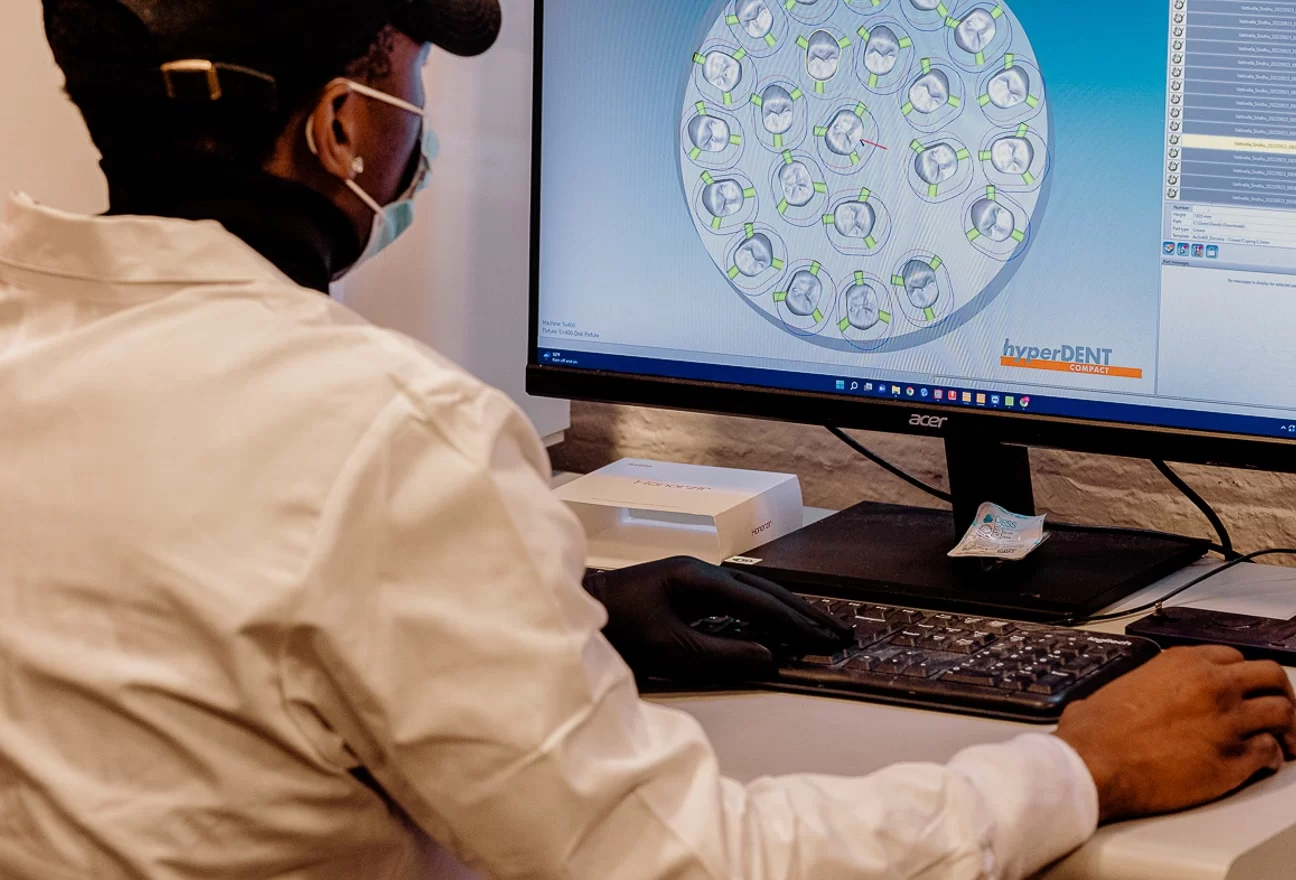
What are CAD/CAM Systems and How Are They Used in Dentistry? A Complete Overview
- What is CAD/CAM Technology?
- How CAD/CAM Works in Dentistry
- Benefits of CAD/CAM Systems in Dentistry
- Real-World Examples of CAD/CAM in Dental Practices
- The Future of CAD/CAM Technology in Dentistry
1. What is CAD/CAM Technology?
CAD (Computer-Aided Design) and CAM (Computer-Aided Manufacturing) are revolutionary technologies that are transforming the way dental professionals create restorations, prosthetics, and other dental solutions. These systems are designed to streamline the dental design and production process, allowing for greater precision, speed, and cost-effectiveness.
CAD involves the use of computer software to create detailed digital models of dental structures such as crowns, bridges, and implants. CAM takes those digital models and translates them into real-world objects using manufacturing tools like 3D printers or milling machines. When used together, these systems allow for highly accurate, customized dental solutions.
2. How CAD/CAM Works in Dentistry
In dentistry, CAD/CAM technology begins with the digital scanning of a patient's teeth or mouth. Using a small intraoral scanner, a detailed 3D image of the patient's dental anatomy is created. This image is then transferred to CAD software, where the dentist or dental technician can design the restoration. The design process allows for precise adjustments, ensuring that the final result fits perfectly and meets the patient’s needs.
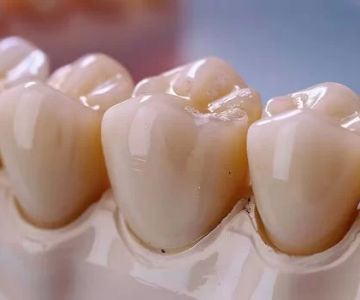
Once the design is complete, it is sent to a CAM system, where it is either milled or printed into the final dental product. For example, if a crown is being made, the CAM system will use a milling machine to carve the crown out of a block of material, such as ceramic or resin. The result is a highly accurate, custom-made restoration that fits the patient’s mouth perfectly.
This digital workflow drastically reduces the time and effort needed to create dental restorations, while also minimizing the risk of human error. What once took several weeks in a dental laboratory can now be completed in just a few hours.
3. Benefits of CAD/CAM Systems in Dentistry
The integration of CAD/CAM systems into dental practices brings numerous advantages, making dental procedures more efficient, cost-effective, and precise. Here are some key benefits:
- Enhanced Accuracy: Digital scanning and design ensure that restorations are made to exact specifications, reducing the risk of mistakes that can occur with traditional molds.
- Faster Treatment Times: CAD/CAM allows for same-day restorations, reducing the need for multiple appointments and the time patients spend waiting for their dental work to be completed.
- Cost-Effective: By eliminating the need for a dental lab, CAD/CAM systems reduce the overall cost of dental restorations, which can be passed on to patients.
- Better Patient Experience: Patients benefit from quicker treatments, fewer visits, and more comfortable procedures.
With all these advantages, it’s no wonder that CAD/CAM technology is quickly becoming a standard in modern dentistry.
4. Real-World Examples of CAD/CAM in Dental Practices
A great example of CAD/CAM in action comes from Dr. Lisa, a general dentist who has integrated the technology into her practice. She recently treated a patient, Michael, who needed a crown. Using a digital scanner, Dr. Lisa took an accurate 3D scan of Michael’s tooth. Within hours, the crown was designed and milled in-office, saving Michael from the need for a temporary crown and a second visit.
Another example comes from Dr. John, an orthodontist who uses CAD/CAM technology to design and create custom aligners for his patients. By using digital impressions and advanced software, he can create personalized treatment plans that are tailored to each patient's unique dental structure, making the process of wearing aligners more comfortable and effective.
5. The Future of CAD/CAM Technology in Dentistry
The future of CAD/CAM in dentistry is incredibly promising. As technology continues to advance, CAD/CAM systems are becoming even more efficient, with faster processing times and enhanced capabilities. The integration of artificial intelligence (AI) and machine learning could further streamline the design process, enabling more precise and personalized treatment plans.
Additionally, as 3D printing technology improves, we may see even more innovative uses for CAD/CAM systems, such as the creation of more complex dental appliances or even fully customized implants. These developments will continue to improve patient outcomes, reduce treatment times, and lower costs.
CAD/CAM is undeniably transforming the dental industry, and as the technology evolves, it’s likely that even more patients will benefit from faster, more accurate, and cost-effective dental care.
If you're interested in learning more about CAD/CAM systems and how they can benefit your dental practice or care, visit Dentistry Toothtruth for more information on cutting-edge dental technologies and services.

 Heine & Associates Family Dentistry5.0 (705 review)
 Roybal Comprehensive Health Center: Mendoza Celia DDS5.0 (1 review)
 Beck Dental Center4.0 (34 review)
 Renaissance Dental Center4.0 (855 review)
 Dent'Art Family Dentistry4.0 (26 review)
 Fraser Dentistry3.0 (109 review)
 The Importance of Oral Health Education During Pregnancy for a Healthy Pregnancy
 Best Tips for Brushing Your Teeth Properly for Healthy Gums: Essential Techniques for Oral Health
 Why Skipping Dental Checkups Can Lead to Bigger Oral Health Problems
 Advantages of Porcelain Dental Restorations
 How Can Diabetes Cause Tooth and Gum Problems? Preventing and Managing Oral Health Issues
 Healthy Habits for Promoting Good Oral Health and Hygiene: Tips for a Healthy Smile