
Dentistry Toothtruth Blog - Expert Dental Care Tips, News & Insights
- Long-Term Success for Adults: How Gum Disease Improves Your Overall Health
Learn how maintaining gum health can improve your overall health. Discover expert advice on preventing gum disease, treatment options, and real-life recovery stories for long-term success.
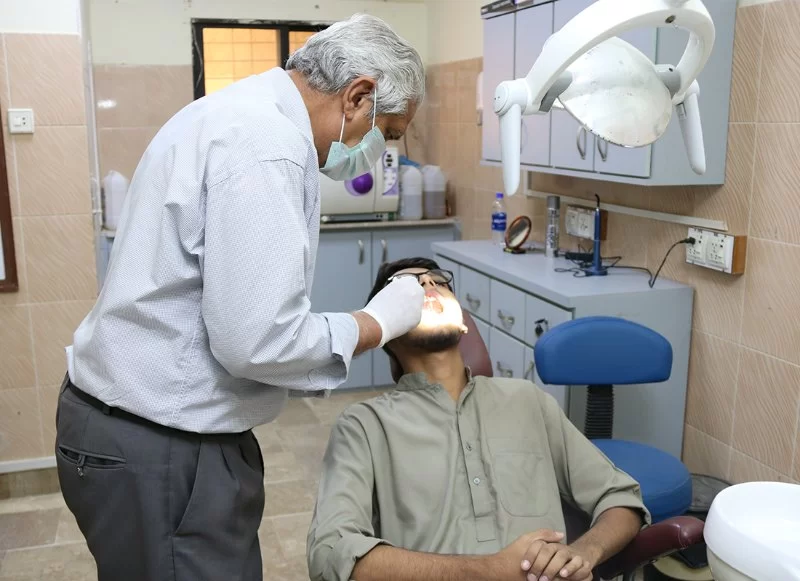 Best Practices for Managing Diabetes and Oral Health: Tips for Long-Term Success
Learn how to manage diabetes and maintain optimal oral health with our tips on brushing, flossing, and regular dental visits. Prevent gum disease and tooth decay with the right practices.
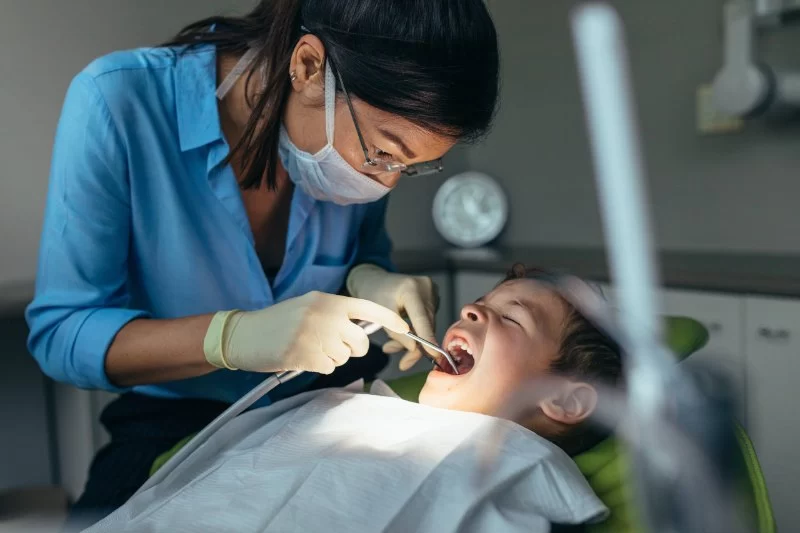 Dentistry for Families: Cost, Procedure, and Recovery Explained
Explore the world of family dentistry, including the costs, procedures, and recovery. Learn how to choose the right family dentist for your needs, and what to expect from family dental care.
 Complete Guide: Signs You Should See a Dentist Immediately with Diabetes
Discover the signs that you should see a dentist immediately if you have diabetes. Learn how diabetes affects your oral health and why regular dental visits are crucial. Signs You Should See a Dentist Immediately with Diabetes As someone who has managed my own diabetes for years, I’ve become hyper-aware of the impact it can have on my overall health, including my oral health. If you’re living with diabetes, you’re likely familiar with the importance of maintaining control over your blood sugar levels. But did you know that diabetes can also significantly affect your oral health? Let’s talk about why regular dental visits are crucial for people with diabetes and the signs that indicate it’s time to see a dentist immediately. 1. Understanding the Link Between Diabetes and Dental Health Diabetes can have a major impact on your mouth and teeth. High blood sugar can lead to dry mouth, which increases the risk of tooth decay and gum disease. In fact, people with poorly controlled diabetes are more likely to develop oral infections, such as gum disease or thrush, which can, in turn, make managing your diabetes even harder. This was something I learned the hard way. I remember visiting the dentist a few years ago when I started noticing more frequent gum bleeding and discomfort while eating. My dentist explained that it was likely due to my fluctuating blood sugar levels, which had contributed to a mild case of gum disease. This experience made me realize how important it is for people with diabetes to pay special attention to their dental health. 2. Signs That You Need to See a Dentist If you have diabetes, you should be vigilant about any changes in your oral health. Here are some common signs that suggest it’s time to make an appointment with your dentist: 1. Bleeding Gums: If you notice that your gums bleed easily, especially when brushing or flossing, this could be a sign of gum disease (gingivitis). The inflammation caused by gum disease can worsen with high blood sugar levels, making it essential to see a dentist for treatment. 2. Dry Mouth: A dry mouth is a common issue for diabetics, caused by reduced saliva production. If you’re constantly thirsty or have a dry, sticky feeling in your mouth, it may lead to further dental complications, such as cavities or infections. This symptom should not be ignored. 3. Persistent Bad Breath: If you’re experiencing persistent bad breath, also known as halitosis, it could be a sign of gum disease or other oral infections. It’s important to consult a dentist as this could indicate that your diabetes is not well-managed, making it harder to maintain oral health. 4. Toothaches or Sensitivity: Any kind of tooth pain, especially if it’s persistent or linked to sensitivity to hot or cold, should be evaluated by a dentist. This could be a sign of cavities or more serious dental issues that need immediate attention. 5. Loose Teeth: If you notice that your teeth feel loose or shift in position, this could be a sign of severe gum disease (periodontitis), which is more common in people with diabetes. This is a serious condition that requires professional care to prevent further damage. 3. How Diabetes Affects Your Oral Health The link between diabetes and oral health is complex, but it essentially boils down to the fact that high blood sugar weakens your body’s ability to fight infections. When your blood sugar levels are high, it can lead to inflammation and impair your immune response, making it more difficult for your body to heal from oral infections like gum disease. One of the most common problems I’ve experienced is gum disease. Over time, as my blood sugar levels fluctuated, I noticed that my gums were becoming red and swollen. The dentist explained that my high blood sugar was affecting the blood vessels in my gums, making them more prone to infection. It was crucial for me to address this issue early on to prevent more severe complications down the road, including tooth loss. 4. The Importance of Regular Dental Visits If you’re living with diabetes, it’s essential to have regular dental checkups — ideally, every six months or sooner if you’re experiencing any of the signs I mentioned. This helps catch potential issues early on before they become more serious. During your visit, the dentist will perform a thorough cleaning to remove plaque and tartar buildup, which can contribute to gum disease. The dentist will also examine your teeth and gums for any signs of infection or decay. For people with diabetes, it’s especially important to maintain a high level of oral hygiene, as untreated dental problems can lead to a vicious cycle that’s harder to manage. 5. Tips for Preventing Dental Problems with Diabetes While seeing your dentist regularly is key, there are also several steps you can take at home to protect your oral health: 1. Brush Twice a Day: It’s important to brush your teeth thoroughly twice a day using fluoride toothpaste to remove plaque and bacteria. 2. Floss Daily: Flossing is essential for removing food particles and plaque from between your teeth that your toothbrush might miss. 3. Stay Hydrated: Drinking plenty of water throughout the day can help keep your mouth moist, preventing dry mouth, which is a common issue for people with diabetes. 4. Manage Your Blood Sugar: Keeping your blood sugar levels within a healthy range is the best way to protect both your overall health and your oral health. 6. When to Seek Emergency Dental Care Sometimes, despite your best efforts, urgent dental issues can arise. If you notice any of the following, it’s crucial to seek emergency dental care as soon as possible: 1. Severe pain or swelling in your mouth or gums. 2. Abscesses or pus around your teeth or gums. 3. Sudden and severe bleeding that doesn’t stop. 4. A knocked-out tooth or a major injury to your teeth.
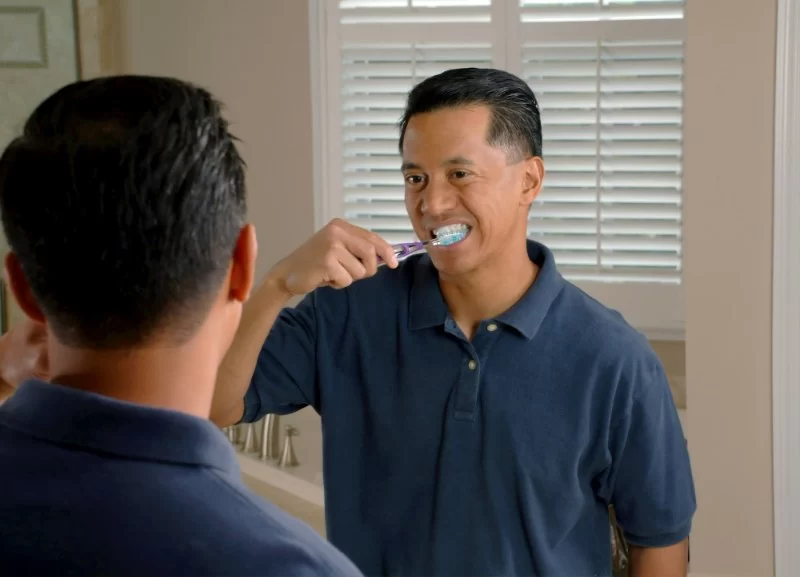 The Complete Guide to Tooth Pain Relief for Smokers
Discover the complete guide to tooth pain relief for smokers. Learn causes, remedies, expert tips, and how to protect your oral health effectively. The Complete Guide to Tooth Pain Relief for Smokers 1. Why Smokers Experience More Tooth Pain 2. Common Types of Tooth Pain Linked to Smoking 3. Effective Home Remedies for Tooth Pain Relief 4. Professional Treatments and When to Seek Help 5. Long-Term Strategies for Smokers’ Oral Health I’ll be honest—when I first started noticing tooth sensitivity, I didn’t immediately connect it to smoking. It was just a dull ache at first, something I brushed off as temporary. But over time, the discomfort became sharper, more frequent, and harder to ignore. That’s when I realized something important: smokers face unique dental challenges that shouldn’t be overlooked. Smoking affects oral health in multiple ways. It reduces blood flow to the gums, weakens the immune response, and creates an environment where harmful bacteria thrive. This combination makes smokers more vulnerable to gum disease, tooth decay, and chronic pain. The tricky part is that smoking can also mask early warning signs, meaning issues often go unnoticed until they become serious. Understanding why tooth pain happens is the first step toward relief. And from my own experience, once you recognize the connection, it becomes much easier to take control of your dental health. 2. Common Types of Tooth Pain Linked to Smoking Not all tooth pain feels the same, and for smokers, the type of discomfort can reveal a lot about what’s going on beneath the surface. I’ve experienced a few of these firsthand, and each one tells a different story. 1. Sharp sensitivity to hot and cold This is often one of the earliest signs. Drinking a hot coffee or biting into something cold suddenly triggers a sharp, quick pain. Smoking contributes to enamel erosion and gum recession, exposing sensitive areas of the teeth. 2. Persistent dull aches This type of pain tends to linger. It’s not always intense, but it’s constant enough to be frustrating. In many cases, this points to deeper issues like infection or inflammation in the tooth or surrounding tissue. 3. Gum-related discomfort Smoking is strongly linked to gum disease. I remember noticing my gums felt tender and slightly swollen, especially after long days. This kind of discomfort is often a warning sign of gingivitis or more advanced periodontal issues. 4. Sudden severe pain This is the kind of pain that stops you in your tracks. It can indicate an abscess or serious infection. For smokers, delayed healing and reduced immunity can make these situations more complicated. 3. Effective Home Remedies for Tooth Pain Relief When tooth pain hits unexpectedly, immediate relief becomes the priority. Over time, I’ve tried several remedies that actually helped manage the discomfort before seeing a dentist. 1. Warm saltwater rinses This simple method is surprisingly effective. Rinsing with warm saltwater helps reduce inflammation and cleans the affected area. I’ve found it especially helpful after meals or before bed. 2. Cold compress for swelling Applying a cold compress to the outside of your cheek can reduce swelling and numb the pain. It’s a quick and practical solution when pain flares up suddenly. 3. Clove oil application Clove oil has natural numbing properties. A small amount applied carefully to the affected area can provide temporary relief. It’s something I didn’t believe in at first, but it genuinely works. 4. Staying hydrated and avoiding triggers I learned the hard way that certain foods and drinks can make pain worse. Extremely hot, cold, or sugary items tend to aggravate sensitivity. Drinking water regularly helps maintain oral balance and reduce irritation. 4. Professional Treatments and When to Seek Help While home remedies can provide temporary relief, they’re not a long-term solution. There came a point when I realized I needed professional help—and that decision made all the difference. 1. Dental cleanings and scaling For smokers, professional cleanings are essential. They remove plaque buildup that regular brushing can’t handle. Deep cleaning procedures can also address gum disease before it worsens. 2. Fillings and restorations If decay is present, fillings or crowns may be necessary. Addressing these issues early prevents further damage and more intense pain later on. 3. Treatment for gum disease Gum treatments can range from medication to more advanced procedures. The earlier you intervene, the better the outcome. 4. When pain becomes urgent If you experience swelling, fever, or severe pain, it’s important to seek immediate care. These symptoms could indicate infection that requires urgent treatment. From my experience, getting professional guidance is one of the smartest decisions you can make. Platforms like Family Dentistry Online provide helpful insights and resources for finding the right dental care tailored to your needs. 5. Long-Term Strategies for Smokers’ Oral Health Managing tooth pain isn’t just about reacting—it’s about prevention. Over time, I’ve realized that small daily habits can make a big difference in long-term oral health. 1. Consistent oral hygiene routine Brushing twice a day and flossing regularly is non-negotiable. I also started using mouthwash designed for gum health, which helped reduce irritation. 2. Regular dental checkups Visiting the dentist every six months allows early detection of problems. For smokers, this step is even more important because symptoms can be less obvious. 3. Reducing smoking frequency While quitting entirely is ideal, even reducing smoking can have noticeable benefits. I personally noticed improvements in gum sensitivity after cutting back. 4. Nutrition and hydration A balanced diet supports overall oral health. Foods rich in vitamins and minerals help strengthen teeth and gums, while staying hydrated keeps the mouth clean. Tooth pain is something that shouldn’t be ignored—especially for smokers. The complete guide to tooth pain relief for smokers is not just about quick fixes, but about understanding the root causes and taking consistent action. If you’re dealing with discomfort right now, take that first step toward relief and explore expert-backed solutions through Family Dentistry Online to protect your smile for the long run.
 The Complete Guide to Dental Treatment for Adults: Benefits, Risks, and Long-Term Results
Explore the complete guide to dental treatment for adults, including the benefits, risks, and long-term results. Learn how to maintain your smile and make informed decisions about dental care.
 The Complete Guide to Dental Insurance for Teens: Answers to Your Most Common Questions
Explore everything you need to know about dental insurance for teens. This comprehensive guide covers the benefits, coverage options, common questions, and how to choose the best dental plan for your teenager’s needs.
 Complete Guide to Emergency Dental Care for Adults: How to Respond
Learn how to respond to dental emergencies with our complete guide to emergency dental care for adults. Understand common issues, first aid tips, and when to seek professional help.
 Long-Term Success of Mouthguards in the United States: At-Home vs Professional Options
Discover the long-term success of mouthguards in the United States. Learn about at-home vs professional options, benefits, and costs of custom mouthguards for sports, teeth grinding, and more.
 Patients with Diabetes – Best Practices for Long-Term Success Teeth
Learn the best practices for patients with diabetes to protect teeth and gums long term. Discover expert dental care tips, prevention strategies, and how blood sugar control improves oral health.
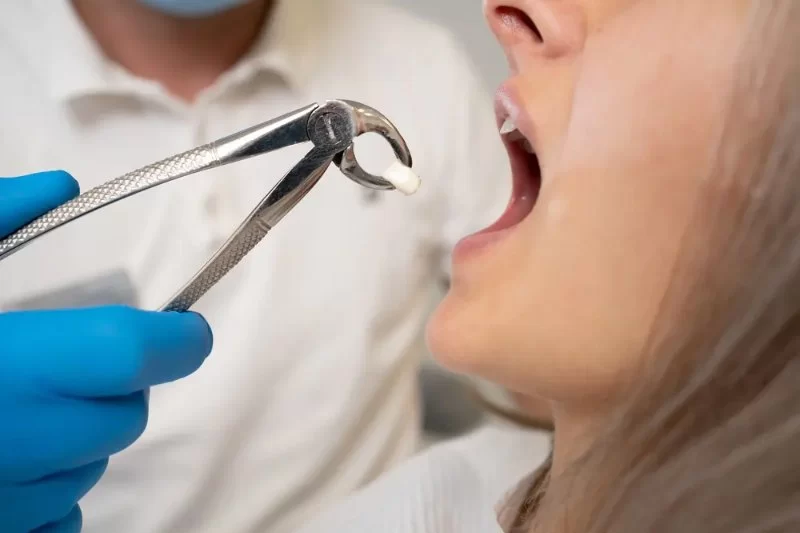 Should You See a Dentist Immediately? The Complete Guide to Tooth Extraction
Learn everything about tooth extraction, from when to see a dentist immediately to aftercare tips. Discover the differences between tooth extraction and root canal treatment. Get expert guidance from Family Dentistry Online for a smooth recovery.
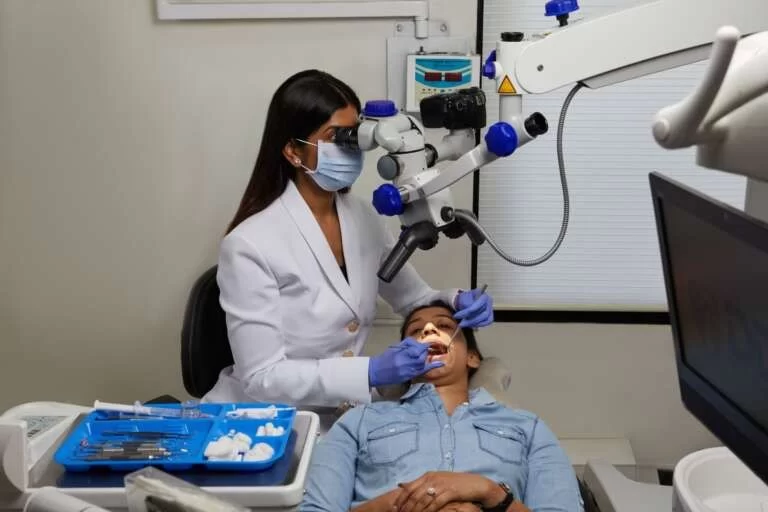 Canal Treatment for Busy Professionals: How Safe and Effective Is It?
Learn how safe and effective canal treatment is for busy professionals. Discover modern root canal procedures, recovery time, and why early treatment protects your dental health.
Categories
Popular Dental Clinics
 Dorfman Orthodontic Group - Bensalem5.0 (199 review)
 Glenn S. Ludwig, DMD5.0 (5 review)
 Daydream Dental - Top Rated Holistic Dentist in Orange County5.0 (103 review)
 McLemore Dentistry4.0 (330 review)
 Wild West Children's Dentistry4.0 (201 review)
 Oelbaum & Kagan Dentistry4.0 (578 review)
 Top Dental Blog Posts
Most Searched Dental Clinics
Hot Blog Topics
 The Importance of Oral Health Education During Pregnancy for a Healthy Pregnancy
 Best Tips for Brushing Your Teeth Properly for Healthy Gums: Essential Techniques for Oral Health
 Why Skipping Dental Checkups Can Lead to Bigger Oral Health Problems
 Advantages of Porcelain Dental Restorations
 How Can Diabetes Cause Tooth and Gum Problems? Preventing and Managing Oral Health Issues
 Healthy Habits for Promoting Good Oral Health and Hygiene: Tips for a Healthy Smile