
Best Treatments for Gum Disease
- 1. Understanding Gum Disease: Causes and Symptoms
- 2. Professional Treatments for Gum Disease
- 3. At-Home Remedies for Gum Disease
- 4. The Role of Good Oral Hygiene in Gum Disease Treatment
- 5. Dietary Changes for Healthy Gums
- 6. Preventing Gum Disease: Key Tips and Lifestyle Changes
1. Understanding Gum Disease: Causes and Symptoms
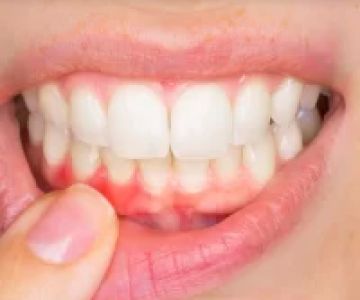
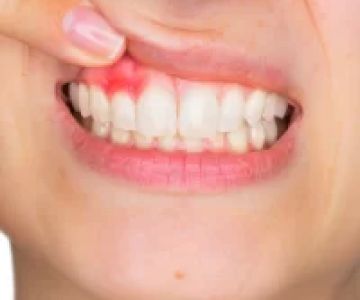
Gum disease, or periodontal disease, is a common yet often preventable condition that affects the gums and bone supporting your teeth. It can start as gingivitis, a mild form of gum disease, and progress to more severe forms like periodontitis if left untreated. The primary cause of gum disease is the buildup of plaque—a sticky film of bacteria—on your teeth. Symptoms can include red, swollen, or bleeding gums, bad breath, and in severe cases, tooth loss. Understanding the causes and symptoms of gum disease is essential to determining the best treatments for gum disease.
2. Professional Treatments for Gum Disease
While at-home treatments are important, professional dental care is often necessary to effectively treat gum disease, especially in its more advanced stages. The first step in professional treatment is usually a thorough cleaning, which may include scaling and root planing. This deep cleaning removes plaque and tartar from below the gumline, helping to reduce inflammation and infection.
In more severe cases, your dentist may recommend surgical treatments, such as flap surgery or bone grafting, to restore the health of the gums and bone structure. Laser treatment is also an option for patients with more severe gum disease. These treatments not only help in treating the infection but also in reducing the risks of future damage, making them a vital part of managing gum disease.
3. At-Home Remedies for Gum Disease
In addition to professional treatments, there are several effective at-home remedies to complement your gum disease treatment. Regular brushing and flossing are fundamental for removing plaque and preventing further damage. Using an antimicrobial mouthwash can help kill bacteria in the mouth and reduce inflammation.
Some people also find relief from gum disease symptoms by using saltwater rinses or essential oils like tea tree oil, which is known for its antibacterial properties. However, these remedies should never replace professional care; they should only be used as an additional measure to maintain gum health and prevent the progression of gum disease.
4. The Role of Good Oral Hygiene in Gum Disease Treatment
One of the most effective ways to treat and prevent gum disease is through diligent oral hygiene. Brushing your teeth at least twice a day with fluoride toothpaste and flossing daily are essential habits that remove plaque and food particles from areas that a toothbrush alone can't reach. Regular dental check-ups every six months are also crucial in identifying and treating gum disease in its early stages.
In addition to regular brushing and flossing, using a soft-bristled toothbrush can help prevent damage to your gums, while switching to an electric toothbrush may help remove more plaque. Maintaining a consistent and thorough oral hygiene routine is key to ensuring your gums stay healthy and free of infection.
5. Dietary Changes for Healthy Gums
Your diet plays an essential role in maintaining healthy gums. A diet rich in vitamins and minerals, especially vitamin C, helps support the immune system and reduce inflammation. Foods like leafy greens, citrus fruits, and nuts can boost gum health and help your body fight off infections.
Avoiding sugary foods and drinks is also crucial for gum disease prevention. Sugar feeds the bacteria in your mouth, contributing to plaque buildup and gum irritation. Drinking plenty of water throughout the day helps wash away food particles and bacteria, keeping your mouth hydrated and less prone to infection.
6. Preventing Gum Disease: Key Tips and Lifestyle Changes
Prevention is always better than cure when it comes to gum disease. Maintaining a healthy lifestyle that includes good oral hygiene, a balanced diet, and regular dental visits is the best way to prevent gum disease from developing in the first place. If you smoke, quitting can significantly reduce your risk of developing gum disease, as smoking weakens your immune system and makes it harder for your gums to heal.
Incorporating regular exercise into your routine can also help boost your immune system, making your body more resilient to infections like gum disease. Managing stress, staying hydrated, and getting enough sleep are other lifestyle changes that can positively affect your gum health.
If you're looking for the best treatments for gum disease, remember that early intervention is key. Combining professional treatments with at-home remedies, good oral hygiene, and lifestyle changes can help prevent the progression of gum disease and keep your gums healthy for years to come. For personalized care and expert advice on gum disease treatments, be sure to visit Dentistry Toothtruth for the latest information and services.



 Little Smiles Dental - Pediatric Dentist Worcester4.0 (801 review)
 King of Prussia Dental Associates4.0 (113 review)
 Clark Dental Associates4.0 (10 review)
 Premier Dental Center4.0 (324 review)
 Reems Pointe Dental Care4.0 (48 review)
 Amara Dental of South Plainfield4.0 (122 review)
 The Importance of Oral Health Education During Pregnancy for a Healthy Pregnancy
 Best Tips for Brushing Your Teeth Properly for Healthy Gums: Essential Techniques for Oral Health
 Why Skipping Dental Checkups Can Lead to Bigger Oral Health Problems
 Advantages of Porcelain Dental Restorations
 How Can Diabetes Cause Tooth and Gum Problems? Preventing and Managing Oral Health Issues
 Healthy Habits for Promoting Good Oral Health and Hygiene: Tips for a Healthy Smile