
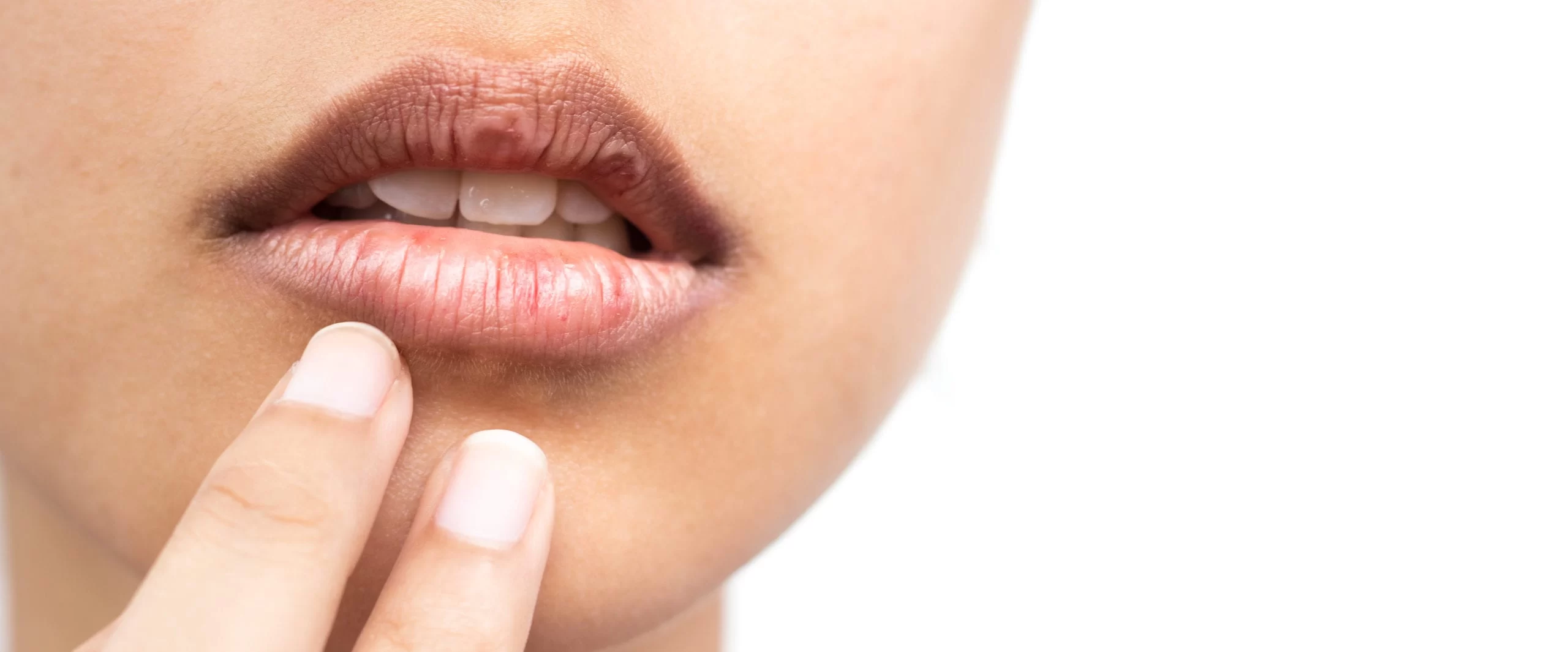
The Best Treatment for Dry Mouth: Effective Solutions and Remedies
- 1. What Is Dry Mouth and Why Does It Happen?
- 2. Common Causes of Dry Mouth
- 3. The Best Treatments for Dry Mouth
- 4. Home Remedies and Care Tips for Dry Mouth
- 5. Professional Treatment Options for Dry Mouth
- 6. How Dentistry Toothtruth Can Help You Find the Right Solution
1. What Is Dry Mouth and Why Does It Happen?
Dry mouth, also known as xerostomia, is a condition where your mouth feels excessively dry due to insufficient saliva production. Saliva plays an essential role in keeping your mouth moist, aiding in digestion, and preventing tooth decay. When the salivary glands do not produce enough saliva, it can lead to discomfort, bad breath, difficulty swallowing, and even tooth problems.
2. Common Causes of Dry Mouth
Dry mouth can be caused by a variety of factors, including:
- Medications: Many medications, especially antihistamines, decongestants, and antidepressants, can reduce saliva production.
- Medical conditions: Diabetes, Sjögren’s syndrome, and Parkinson’s disease are known to affect the salivary glands.
- Dehydration: Insufficient water intake can lead to dry mouth, especially in hot weather or during illness.
- Smoking and alcohol: Both smoking and alcohol consumption can dry out the mouth and reduce saliva flow.
Understanding the cause of your dry mouth is crucial in determining the best treatment options available.
3. The Best Treatments for Dry Mouth
When looking for the best treatment for dry mouth, there are several effective options to consider. These treatments focus on stimulating saliva production, improving oral hygiene, and addressing underlying causes:
- Saliva Substitutes: Over-the-counter saliva substitutes, available in the form of gels, sprays, or rinses, can help moisten the mouth and provide temporary relief.
- Hydration: Drinking plenty of water throughout the day can help keep your mouth moist and prevent dehydration.
- Chewing Sugar-Free Gum: Chewing gum increases saliva flow and helps relieve dry mouth symptoms. Choose sugar-free gum with xylitol for added oral health benefits.
- Prescription Medications: In some cases, medications such as pilocarpine may be prescribed to stimulate saliva production.
These treatments can help manage dry mouth effectively, but it's important to choose one that works best for your specific needs and lifestyle.
4. Home Remedies and Care Tips for Dry Mouth
In addition to medical treatments, there are several home remedies and care tips you can try to alleviate dry mouth:
- Use a Humidifier: A humidifier in your bedroom can help add moisture to the air, especially while sleeping.
- Stay Away from Caffeine and Alcohol: Both substances can further dry out your mouth, so it's best to avoid them or consume them in moderation.
- Eat Moist Foods: Soft, moist foods can make swallowing easier and help keep your mouth moist. Consider eating yogurt, soups, and fruits like watermelon.
Incorporating these tips into your daily routine can provide additional comfort and help keep dry mouth under control.
5. Professional Treatment Options for Dry Mouth
If home remedies and over-the-counter treatments aren't providing sufficient relief, it may be time to seek professional help. Your dentist or doctor may suggest the following options:
- Prescription Saliva Stimulants: Prescription medications, such as pilocarpine and cevimeline, can help stimulate saliva production in people with more severe cases of dry mouth.
- Salivary Gland Therapy: Some treatments involve massaging the salivary glands or using techniques to improve saliva flow.
- Dental Care for Dry Mouth: Regular dental checkups are crucial, as dry mouth can increase the risk of tooth decay and gum disease. Your dentist may recommend fluoride treatments to protect your teeth.
Consulting with a professional will help you find the most effective treatment plan tailored to your specific needs.
6. How Dentistry Toothtruth Can Help You Find the Right Solution
If you're struggling with dry mouth and are unsure of the best course of action, Dentistry Toothtruth can help. Our platform provides access to experienced dental professionals who can guide you through treatment options and recommend the best solutions for your oral health. Whether you need advice on remedies, prescriptions, or dental care, Dentistry Toothtruth can connect you with the experts who can assist you in managing dry mouth.






 Dental Dreams4.0 (967 review)
 Equitas Health Short North Medical Center3.0 (96 review)
 Bill Johnson, Dmd4.0 (36 review)
 MDS Dental Solutions, LLC0.0 (0 review)
 High Point Dental Group4.0 (510 review)
 Green Dental Health and Aesthetics5.0 (56 review)
 The Importance of Oral Health Education During Pregnancy for a Healthy Pregnancy
 Best Tips for Brushing Your Teeth Properly for Healthy Gums: Essential Techniques for Oral Health
 Why Skipping Dental Checkups Can Lead to Bigger Oral Health Problems
 Advantages of Porcelain Dental Restorations
 How Can Diabetes Cause Tooth and Gum Problems? Preventing and Managing Oral Health Issues
 Healthy Habits for Promoting Good Oral Health and Hygiene: Tips for a Healthy Smile