
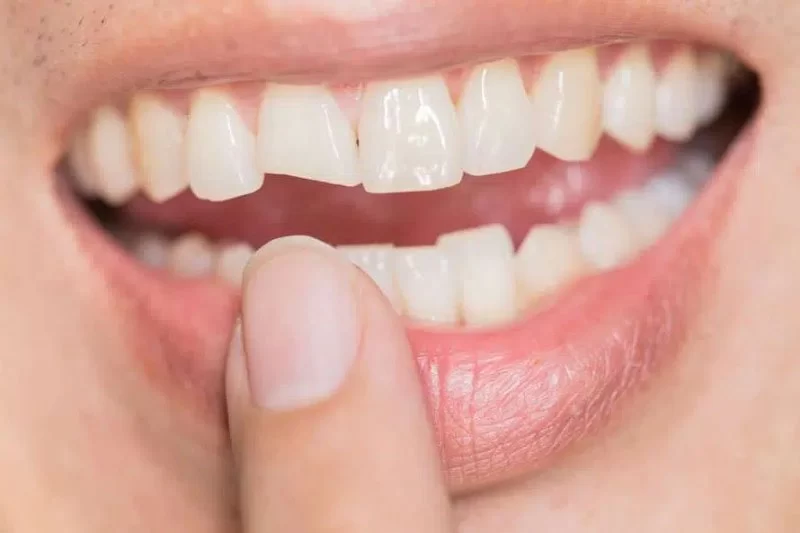
Smokers – Best Practices for Long-Term Success in Cracked Tooth Repair
- 1. Why Smoking Affects Dental Health and Cracked Teeth
- 2. Cracked Tooth Repair Options for Smokers
- 3. Ensuring Long-Term Success in Cracked Tooth Repair
- 4. Steps to Take Care of Your Teeth After Treatment
- 5. How Family Dentistry Can Help Smokers with Cracked Tooth Repair
1. Why Smoking Affects Dental Health and Cracked Teeth
Smoking is one of the most harmful habits when it comes to oral health. As a smoker, you may already be aware of the effects smoking has on your lungs and heart, but it can also seriously damage your teeth. Smoking contributes to plaque buildup, gum disease, and tooth discoloration. It also affects your body's ability to heal, which is especially important when dealing with cracked teeth.
When it comes to cracked tooth repair, smokers face additional challenges. Smoking reduces blood flow to the gums, making it harder for your mouth to recover from dental procedures. It can also make your teeth more prone to further damage. If you’ve had a cracked tooth and you smoke, you may be wondering how to ensure your tooth repairs last long-term. Let’s explore the best practices for cracked tooth repair, specifically for smokers.
2. Cracked Tooth Repair Options for Smokers
When you have a cracked tooth, the right repair method depends on the extent of the damage. For smokers, the repair process may require extra attention due to the challenges smoking presents. Here are some common cracked tooth repair options that smokers can consider:
2.1 Dental Fillings
For minor cracks, a dental filling is often enough to restore the tooth. This process involves filling the crack with a durable material that prevents further damage and restores the tooth’s function. However, smokers need to be cautious because the chemicals in tobacco can weaken the filling over time, causing it to wear down faster.
2.2 Crowns and Bridges
For more severe cracks, a dental crown or bridge may be required. Crowns completely cover the cracked tooth, providing strength and stability. This is a popular option for smokers because crowns are more durable and can withstand the damage that smoking might cause to the tooth. Bridges can replace missing teeth caused by smoking-related damage.
2.3 Root Canal Treatment
In cases where the crack has reached the nerve of the tooth, a root canal may be necessary. Smokers with cracked teeth are at higher risk of infections, which can lead to the need for a root canal. It’s essential for smokers to maintain excellent oral hygiene after a root canal to ensure the long-term success of the procedure.
3. Ensuring Long-Term Success in Cracked Tooth Repair
While smokers may face additional challenges, there are ways to ensure that cracked tooth repairs last long-term. Here are some tips to help maintain your dental work and ensure that your repairs stay intact:
3.1 Quit Smoking or Reduce Tobacco Use
The most effective way to ensure the success of your cracked tooth repair is to quit smoking. Reducing or eliminating tobacco use helps improve blood flow to the gums, which is crucial for healing after dental procedures. It also reduces plaque buildup and the risk of further tooth damage.
3.2 Regular Dental Checkups
Regular visits to the dentist are essential, especially for smokers. After your cracked tooth repair, your dentist will monitor the health of your teeth and gums closely. Smokers should also schedule cleanings more frequently to prevent plaque buildup, which can affect the longevity of dental repairs.
3.3 Practice Good Oral Hygiene
Brushing and flossing daily is critical for smokers. Tobacco can stain your teeth and increase the risk of gum disease, so maintaining proper oral hygiene is essential. Be sure to use fluoride toothpaste and visit your dentist for professional cleanings regularly.
4. Steps to Take Care of Your Teeth After Treatment
Once your cracked tooth is repaired, you’ll need to take extra care of your teeth to ensure the repair lasts. Here are some steps I recommend for proper aftercare:
4.1 Avoid Hard or Sticky Foods
After a dental procedure, it’s important to avoid foods that can put stress on your repaired tooth. Hard or sticky foods can cause damage to dental fillings or crowns. Stick to softer foods and avoid biting into anything too tough until your dentist gives you the go-ahead.
4.2 Stay Hydrated
Smoking can dry out your mouth, which increases the risk of tooth decay and gum disease. Drinking plenty of water helps keep your mouth moist and wash away harmful bacteria. Staying hydrated also promotes healing and reduces the risk of infection after dental procedures.
4.3 Follow Up with Your Dentist
Follow-up visits to your dentist are crucial for smokers. Your dentist will check the condition of your repaired tooth and make any necessary adjustments. These visits will also help catch any issues early on before they become bigger problems.
5. How Family Dentistry Can Help Smokers with Cracked Tooth Repair
At Family Dentistry Online, we understand the unique challenges that smokers face when it comes to dental health. Our team of professionals specializes in helping smokers maintain their oral health and ensure long-term success for cracked tooth repairs. With our comprehensive dental care and tailored treatments, we are here to help you protect your smile for years to come.
If you’re a smoker dealing with cracked teeth or looking for long-term dental care, don’t hesitate to reach out to us. Our services are designed to meet your specific needs and help you achieve the best possible outcomes for your oral health.


 Spencer Dental & Braces4.0 (459 review)
 HealthPartners Dental Clinic Woodbury2.0 (24 review)
 Long Grove Dental5.0 (1022 review)
 The Smilist Dental Port Washington4.0 (133 review)
 Gentle Smiles of Cherry Hill4.0 (190 review)
 Dental Playground3.0 (35 review)
 The Importance of Oral Health Education During Pregnancy for a Healthy Pregnancy
 Best Tips for Brushing Your Teeth Properly for Healthy Gums: Essential Techniques for Oral Health
 Why Skipping Dental Checkups Can Lead to Bigger Oral Health Problems
 Advantages of Porcelain Dental Restorations
 How Can Diabetes Cause Tooth and Gum Problems? Preventing and Managing Oral Health Issues
 Healthy Habits for Promoting Good Oral Health and Hygiene: Tips for a Healthy Smile