
Best Home Remedies for Toothaches: Effective Solutions for Natural Pain Relief
- Understanding Toothache Pain
- Common Causes of Toothaches
- Top Home Remedies for Toothaches
- Natural Remedies to Ease Toothache Pain
- When to See a Dentist for Toothache
1. Understanding Toothache Pain
Toothaches are one of the most common dental problems that people face. The pain can range from mild to severe and can be caused by a variety of issues, including cavities, gum disease, or trauma to the tooth. The pain may feel sharp, throbbing, or constant, and in many cases, it can interfere with your daily activities, making it difficult to eat, sleep, or focus.
While toothaches often require professional treatment, there are a variety of home remedies that can provide temporary relief and help manage the pain until you can see a dentist. In this article, we'll explore the best home remedies for toothaches and how to use them effectively.
2. Common Causes of Toothaches
Before diving into the best home remedies for toothaches, it's important to understand what causes this type of pain. Here are some of the most common causes of toothaches:
2.1 Cavities
Cavities are one of the leading causes of toothaches. When plaque and bacteria break down the enamel of your tooth, they create holes or cavities that can lead to pain, especially when exposed to hot, cold, or sweet foods.
2.2 Gum Disease
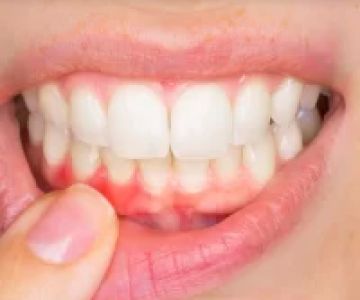
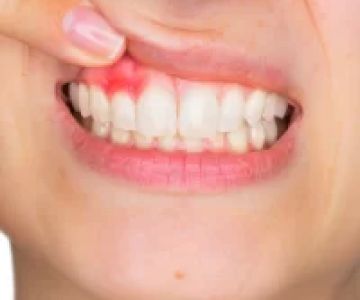
Gum disease, or periodontal disease, is another common cause of toothaches. Infected or inflamed gums can cause discomfort and pain around the affected teeth. If left untreated, gum disease can result in tooth loss.
2.3 Tooth Sensitivity
Some people experience toothaches due to tooth sensitivity. This occurs when the tooth’s enamel is worn down, exposing the softer layer of tissue beneath, known as the dentin. Sensitivity often happens when eating or drinking something hot, cold, or acidic.
2.4 Tooth Abscess
A tooth abscess is a pocket of pus that forms due to bacterial infection, often causing severe pain, swelling, and sometimes fever. This condition requires immediate professional attention.
3. Top Home Remedies for Toothaches
If you're dealing with a toothache and can't get to the dentist right away, these home remedies can offer relief and ease the pain temporarily:
3.1 Salt Water Rinse
A warm salt water rinse is one of the most effective and simplest home remedies for toothache. Salt has natural antibacterial properties that can help reduce inflammation and clean out any bacteria in the affected area. To use this remedy, mix half a teaspoon of salt in warm water and swish it around your mouth for 30 seconds before spitting it out.
3.2 Cold Compress
If your toothache is accompanied by swelling, a cold compress can help reduce both pain and inflammation. Wrap ice in a cloth or use a cold pack, and place it on the outside of your cheek near the painful area. Apply for 15-20 minutes at a time to relieve discomfort.
3.3 Clove Oil
Clove oil has been used for centuries to relieve tooth pain. It contains eugenol, a natural anesthetic, which can numb the pain. To use clove oil for toothache relief, apply a small amount to a cotton ball and gently press it against the affected tooth or gum area. You can also dilute the clove oil with a little olive oil if it's too strong.
3.4 Peppermint Tea Bags
Peppermint has mild numbing properties, making it an excellent remedy for a toothache. To use peppermint for tooth pain relief, steep a peppermint tea bag in hot water, let it cool down to a comfortable temperature, and then apply the tea bag directly to the painful area of your mouth for a soothing effect.
4. Natural Remedies to Ease Toothache Pain
In addition to traditional home remedies, there are several natural remedies that can help ease tooth pain and promote healing. Here are some of the best natural solutions:
4.1 Aloe Vera
Aloe vera is known for its healing and anti-inflammatory properties. Applying aloe vera gel directly to the affected area of the tooth or gum can help soothe irritation and reduce pain. Aloe vera also has antimicrobial properties, which may help fight bacteria in the mouth.
4.2 Garlic
Garlic has natural antibacterial and analgesic properties. Crushing a garlic clove and applying it to the painful area can help kill harmful bacteria and provide relief from the pain. Alternatively, you can chew on a piece of garlic for a more direct effect.
4.3 Turmeric Paste
Turmeric is a powerful anti-inflammatory and pain-relieving herb. Mixing a small amount of turmeric powder with water to form a paste and applying it to the painful tooth can reduce swelling and ease discomfort. Turmeric also promotes healing and fights infection.
5. When to See a Dentist for Toothache
While home remedies can help alleviate toothache pain temporarily, they are not a permanent solution. It's important to consult with a dentist if you experience any of the following symptoms:
5.1 Severe Pain
If your tooth pain is severe or doesn't improve with home remedies, you may be dealing with a more serious issue, such as a tooth abscess or severe cavity, which requires professional treatment.
5.2 Prolonged Pain
If your toothache lasts for more than a few days, it’s crucial to visit a dentist. Lingering pain could indicate an underlying problem that requires intervention, such as gum disease or a cracked tooth.
5.3 Swelling or Fever
If the pain is accompanied by swelling in the face or jaw, or if you develop a fever, it's important to see a dentist immediately, as these could be signs of an infection.
Taking care of your teeth is essential for overall health, and knowing how to address tooth pain at home can offer significant relief until you can get professional treatment. For more information on dental care or to find expert products to help with tooth pain, visit Dentistry Toothtruth for trusted advice and top recommendations.


 Loretto Multi-Specialty Dental Center4.0 (111 review)
 The Implant Center at Comprehensive Dental4.0 (421 review)
 Oregon Endodontic Group5.0 (68 review)
 Morlan Robert DDS5.0 (216 review)
 Opus Dental Esthetics: Derek Conover, DMD5.0 (174 review)
 Romeoville Smiles Dentistry4.0 (711 review)
 The Importance of Oral Health Education During Pregnancy for a Healthy Pregnancy
 Best Tips for Brushing Your Teeth Properly for Healthy Gums: Essential Techniques for Oral Health
 Why Skipping Dental Checkups Can Lead to Bigger Oral Health Problems
 Advantages of Porcelain Dental Restorations
 How Can Diabetes Cause Tooth and Gum Problems? Preventing and Managing Oral Health Issues
 Healthy Habits for Promoting Good Oral Health and Hygiene: Tips for a Healthy Smile