
The Best Cosmetic Treatments for Teeth Sensitivity
- 1. Understanding Teeth Sensitivity
- 2. Causes of Teeth Sensitivity
- 3. Best Cosmetic Treatments for Teeth Sensitivity
- 4. Natural Remedies to Manage Sensitivity
- 5. Tips to Prevent Teeth Sensitivity
1. Understanding Teeth Sensitivity
Teeth sensitivity, also known as dentin hypersensitivity, is a common dental issue affecting many people worldwide. It occurs when the protective layer of enamel on your teeth wears down, exposing the underlying dentin, which contains nerve endings. This leads to sharp pain or discomfort when consuming hot, cold, sweet, or acidic foods and drinks.
While sensitivity may seem like a minor inconvenience, it can significantly impact your ability to enjoy certain foods and beverages. Fortunately, several cosmetic treatments can help alleviate discomfort and restore your smile's natural strength and beauty.
2. Causes of Teeth Sensitivity
Teeth sensitivity can be caused by various factors, including:
- Worn Tooth Enamel: The most common cause of sensitivity, as enamel is gradually worn away by age, brushing too hard, or consuming acidic foods.
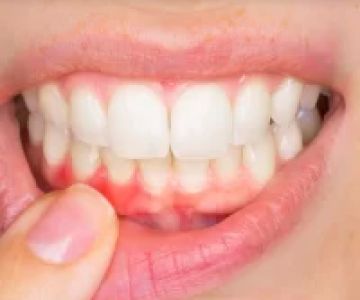
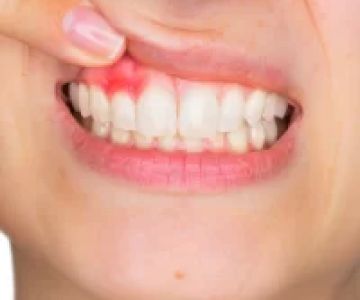
- Gum Recession: When gums recede, the tooth roots become exposed, leading to increased sensitivity.
- Cracked Teeth: Fractures or chips in teeth can expose the sensitive pulp and cause discomfort.
- Teeth Whitening Treatments: Some people experience sensitivity after professional whitening procedures.
Understanding the root causes of your sensitivity will help determine the most suitable treatment for relief.
3. Best Cosmetic Treatments for Teeth Sensitivity
If you're dealing with teeth sensitivity, cosmetic dental treatments offer effective solutions. Here are the best options to consider:
- Dental Sealants: Applied to the surface of the teeth, dental sealants help protect the exposed dentin and reduce sensitivity.
- Bonding: A composite resin is applied to the teeth, filling in cracks or gaps to prevent exposure to sensitive areas.
- Fluoride Treatments: Professional fluoride treatments help remineralize and strengthen enamel, reducing sensitivity.
- Desensitizing Toothpaste: Toothpaste designed specifically for sensitive teeth can reduce discomfort over time by blocking nerve signals.
- Veneers: Thin shells of porcelain or composite material are placed over the teeth to cover sensitive spots and provide a smooth surface.
Consult your dentist to determine the most appropriate cosmetic treatment based on the severity of your sensitivity and your overall oral health.
4. Natural Remedies to Manage Sensitivity
In addition to cosmetic treatments, there are several natural remedies you can try to manage teeth sensitivity:
- Saltwater Rinse: A warm saltwater rinse can help soothe irritated gums and reduce inflammation.
- Clove Oil: Known for its natural numbing properties, clove oil can be applied to sensitive areas to provide temporary relief.
- Green Tea: Green tea contains antioxidants that help reduce inflammation and promote gum health, which may reduce sensitivity.
While these remedies may not offer permanent relief, they can complement professional treatments for enhanced comfort.
5. Tips to Prevent Teeth Sensitivity
Preventing teeth sensitivity starts with good oral hygiene habits. Here are some helpful tips:
- Brush Gently: Use a soft-bristled toothbrush and avoid brushing too hard, as this can erode enamel.
- Use Fluoride Toothpaste: Choose a toothpaste with fluoride, which can help strengthen enamel and protect against sensitivity.
- Avoid Acidic Foods: Limit the consumption of acidic foods and drinks that can erode enamel, such as citrus fruits and soda.
- Visit Your Dentist Regularly: Regular dental check-ups will help catch and treat sensitivity before it becomes a serious issue.
By maintaining a good oral care routine and avoiding potential triggers, you can minimize the risk of developing teeth sensitivity.
Conclusion
Teeth sensitivity can be a frustrating condition, but with the right cosmetic treatments and proper care, it is possible to alleviate discomfort and enjoy your favorite foods again. Whether you're interested in dental sealants, fluoride treatments, or natural remedies, there are many ways to tackle this issue and protect your teeth. For more information on the best treatments and advice, visit Dentistry Toothtruth.

 Kellyn Hodges Orthodontics4.0 (301 review)
 Shiney Smiles Orthodontics5.0 (165 review)
 Da Vinci Dental Specialists4.0 (312 review)
 Dentists of South Pasadena4.0 (124 review)
 Manhattan Dental Arts4.0 (394 review)
 Dental Playground3.0 (35 review)
 The Importance of Oral Health Education During Pregnancy for a Healthy Pregnancy
 Best Tips for Brushing Your Teeth Properly for Healthy Gums: Essential Techniques for Oral Health
 Why Skipping Dental Checkups Can Lead to Bigger Oral Health Problems
 Advantages of Porcelain Dental Restorations
 How Can Diabetes Cause Tooth and Gum Problems? Preventing and Managing Oral Health Issues
 Healthy Habits for Promoting Good Oral Health and Hygiene: Tips for a Healthy Smile