Dental care is crucial for children, not only for maintaining a healthy smile but also for promoting overall health and well-being. Starting dental care early can prevent serious dental issues like cavities, gum disease, and misaligned teeth. A healthy mouth allows children to eat, speak, and socialize comfortably, which significantly affects their quality of life.Dental habits established in childhood lay the foundation for a lifetime of good oral health. Research shows that children who visit the dentist regularly are more likely to maintain better oral health into adulthood. Without proper dental care, children may experience painful dental conditions that can interfere with their daily lives, including problems with eating and speaking.
2. Finding Affordable Dental Care for Children in Columbus, OH
In Columbus, OH, there are many options for parents seeking affordable dental care for their children. However, finding quality dental services at a reasonable cost can sometimes be challenging. Here are some practical ways to find affordable care:Check for Insurance Coverage: Many families in Columbus have dental insurance through employers or government programs. If your child has insurance, make sure you choose a dentist who accepts it. Some dental offices offer discounted rates for patients with specific insurance plans.Community Health Centers: Columbus has a number of community health centers that offer dental services to children at a lower cost. These centers often provide services on a sliding scale based on income, making dental care more affordable for families with financial difficulties.Dental Schools: The Ohio State University College of Dentistry in Columbus has a teaching clinic where dental students provide care under the supervision of licensed professionals. These services are typically offered at a lower cost, providing an affordable option for parents.Government Assistance Programs: Programs such as Medicaid and the Children’s Health Insurance Program (CHIP) may cover dental services for children. These programs are designed to ensure that children from low-income families receive necessary dental care.Payment Plans and Financing: Some dental offices in Columbus offer payment plans or financing options for parents who cannot afford to pay the full cost of care upfront. Be sure to ask about payment options when scheduling an appointment.
3. Services Provided by Dental Clinics for Children
Dental clinics in Columbus provide a wide range of services designed specifically for children. These services ensure that children's dental needs are met at every stage of their development. Common services include:Routine Checkups and Cleanings: Regular checkups help prevent cavities, detect issues early, and ensure that children are practicing good oral hygiene. Cleanings remove plaque and tartar buildup to prevent gum disease.Sealants: Dental sealants are thin, protective coatings applied to the chewing surfaces of molars to protect them from cavities. Sealants are particularly helpful for children who are still learning to brush effectively.Fluoride Treatments: Fluoride helps strengthen tooth enamel and prevent cavities. Many dental clinics in Columbus offer fluoride treatments as part of a regular checkup.Orthodontic Consultations: Some children may need braces or other orthodontic treatment to correct misalignment or bite issues. An orthodontic consultation can determine the best course of action for children with dental alignment problems.Emergency Care: Dental clinics also provide emergency services for children who experience tooth trauma, such as a broken or knocked-out tooth. Prompt care can prevent further damage and alleviate pain.Cavity Fillings and Restorations: If cavities are detected, dental clinics will provide fillings to restore the affected teeth. This is a common procedure for children who are still learning how to properly care for their teeth.
4. Tips for Choosing the Best Dental Care for Your Child
Choosing the right dental care for your child can feel overwhelming, but it is an essential step in ensuring their long-term oral health. Here are some tips to help guide your decision:Look for Pediatric Dentists: Pediatric dentists specialize in treating children's teeth and are trained to handle the unique needs of young patients. They use child-friendly techniques to make dental visits less intimidating and more comfortable for children.Check for Qualifications and Experience: Ensure that the dentist you choose is licensed and has experience working with children. You can check reviews online or ask other parents in your community for recommendations.Consider the Dental Office Environment: A welcoming, child-friendly dental office can make a big difference in how your child perceives dental visits. Look for a clinic that offers a fun, positive environment with staff members who are experienced in working with children.Ask About Preventive Care: A good dental office should emphasize preventive care, including regular checkups, fluoride treatments, and education about proper oral hygiene habits. This helps reduce the likelihood of dental issues in the future.Evaluate Affordability: Make sure that the dental clinic offers affordable rates and flexible payment options. It’s important to know upfront what the cost will be and whether the clinic accepts your insurance or offers financing plans.
5. Real-Life Stories and Experiences with Dental Care for Children in Columbus
Many parents in Columbus have shared their positive experiences with affordable dental care for children. For example, Sarah, a mother of two, took her son to the Ohio State University dental clinic, where he received dental care at a lower cost. She was impressed by the professionalism of the students and the quality of care her son received. After a few visits, her son was cavity-free and learned valuable oral hygiene habits.Similarly, John and Maria, parents of three, found a family-friendly dental clinic in Columbus that offered sliding scale fees based on income. This allowed them to get their children’s routine dental checkups and treatments without breaking the bank. Their children now have healthy teeth and enjoy going to the dentist.These stories highlight the value of accessible dental care options in Columbus, OH, and the positive impact that affordable care can have on children's oral health.
Learn the best tips for managing your oral health as a diabetic patient. Discover effective strategies to prevent gum disease and tooth decay, ensuring a healthy smile.
Learn how to identify and manage tooth sensitivity in children. Discover causes, symptoms, and treatment options to help alleviate discomfort and promote better oral health.
Learn everything families should know about sleep apnea for first-time patients, including symptoms, treatment options, and success stories. Understand how to manage the condition and support your loved one in their sleep apnea journey.
Learn the differences between at-home and professional dental treatments. Find out when to choose at-home care and when professional treatment is needed for your oral health.
"Explore the latest advances in tooth pain relief, from cutting-edge technologies like laser dentistry to effective home remedies. Learn how to manage and treat tooth pain with expert-backed solutions."
Learn what to expect before and after health screening procedures in the United States. Explore the screening process, patient expectations, and tips for a smooth experience. Understanding Screening in the United States Pre-Screening: What to Expect The Screening Process: What Happens Post-Screening: What Happens NextUnderstanding Screening in the United StatesHealth screenings are an essential part of preventive healthcare in the United States. These procedures allow healthcare providers to detect potential health issues early, often before symptoms appear. Screening can help with the early identification of diseases such as cancer, diabetes, heart disease, and more. Regular screenings can improve the chances of successful treatment and help patients maintain a healthy lifestyle.In the U.S., different types of screenings are recommended based on age, sex, and health history. For example, adults might undergo blood pressure checks, cholesterol tests, mammograms, colonoscopies, or even genetic screenings depending on their risk factors. Understanding what to expect before, during, and after screening can help patients feel more comfortable and informed throughout the process.Pre-Screening: What to ExpectBefore undergoing any screening, patients typically receive instructions regarding preparation. These instructions may vary depending on the type of screening but generally involve fasting, avoiding certain medications, or wearing specific clothing. It’s crucial to follow these guidelines to ensure accurate results and avoid any delays or complications.For example, if you are scheduled for a blood test, you may be asked to fast for 12 hours beforehand. For imaging screenings like a mammogram or CT scan, you may need to avoid using lotions or powders on the area being scanned. Being prepared ahead of time can make the screening process smoother and help ensure that the results are as accurate as possible.It’s also important to bring any relevant medical records or a list of medications you’re currently taking. This information can provide valuable context for the healthcare provider conducting the screening.The Screening Process: What HappensOnce you arrive at the healthcare facility for your screening, the process typically begins with a check-in and confirmation of your medical history and any necessary paperwork. Depending on the type of screening, the procedure itself can take anywhere from a few minutes to an hour.For example, during a mammogram, you’ll be asked to stand in front of a machine that will take X-ray images of your breasts. During a colonoscopy, a thin tube with a camera will be inserted into your colon to look for abnormalities. Though some screenings may involve minimal discomfort, most are quick and straightforward. Healthcare providers strive to make the process as comfortable as possible.During this phase, you may be asked to stay still or hold your breath while the screening is conducted. Some procedures, like blood tests, might require only a quick sample from your arm. The duration of your stay largely depends on the complexity of the procedure.Post-Screening: What Happens NextAfter your screening, you may be asked to wait for results or return for follow-up appointments, depending on the procedure. In many cases, you’ll receive your results in a few days to a week. If the results are normal, you may not need to take any further action and can continue with your routine healthcare regimen. However, if the screening identifies potential health issues, further diagnostic tests or treatments may be recommended.For example, if a mammogram detects an abnormality, additional imaging or a biopsy may be necessary. If a colonoscopy finds polyps, they may be removed and analyzed. Your doctor will explain the results to you in detail and guide you through the next steps, ensuring that you have the information you need to make informed decisions about your health.It’s important to remember that not all screenings result in a diagnosis. Sometimes, follow-up tests are just precautionary measures to rule out potential issues. Regardless of the outcome, screenings play a critical role in maintaining your overall health and well-being.If you’re due for a screening or want to learn more about the different types of health screenings available in the United States, visit Family Dentistry Online for expert advice and assistance with your healthcare needs.







 Katz Dental Group4.0 (185 review)
 Dentistry at Greenway4.0 (121 review)
 HealthPartners Dental Clinic Coon Rapids2.0 (22 review)
 Western Dental & Orthodontics4.0 (910 review)
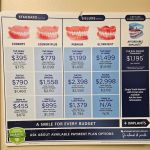 Affordable Dentures & Implants4.0 (757 review)
 Denville Dental Group4.0 (274 review)
 The Importance of Oral Health Education During Pregnancy for a Healthy Pregnancy
 Best Tips for Brushing Your Teeth Properly for Healthy Gums: Essential Techniques for Oral Health
 Why Skipping Dental Checkups Can Lead to Bigger Oral Health Problems
 Advantages of Porcelain Dental Restorations
 How Can Diabetes Cause Tooth and Gum Problems? Preventing and Managing Oral Health Issues
 Healthy Habits for Promoting Good Oral Health and Hygiene: Tips for a Healthy Smile